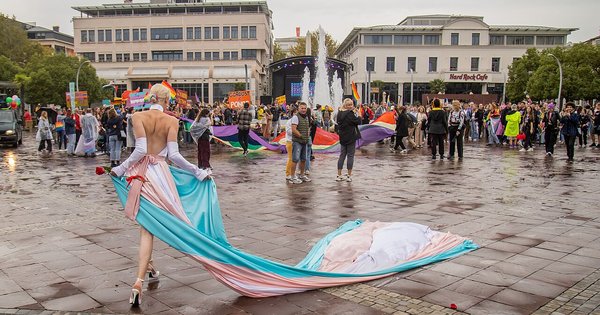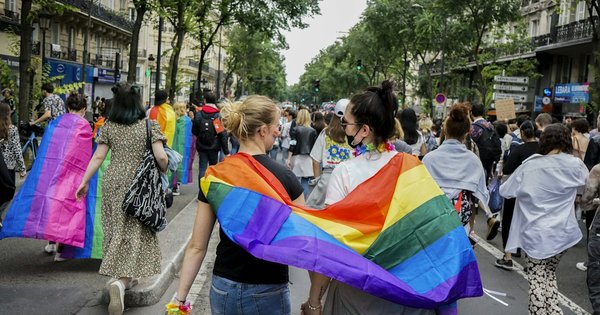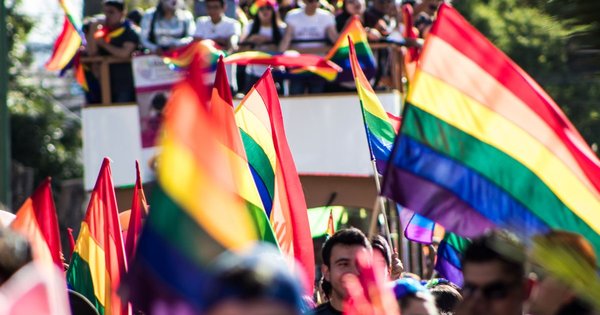
There is a story Milanese activists tell about the very first Milano Pride, on 23 June 2001: a wave of people carrying rainbow flags surged up out of the metro and filled the streets, and a city that had not quite expected them suddenly had to make room. Twenty-five years later, that wave has become a flood. Milano Pride 2026 returns from 21 to 28 June, with the main parade on Saturday 27 June — and organisers are bracing for roughly 350,000 people.
For a movement that began as a “courageous act of visibility,” as CIG Arcigay Milano puts it, the silver anniversary is both a celebration and a statement of staying power.
The route, the week, the numbers
The 2026 parade departs from via Vittor Pisani and winds through the city toward the Arco della Pace — the neoclassical Arch of Peace that makes for one of the more cinematic finish lines in European Pride. Expect floats, sound systems, drag, and the particular Milanese flair for turning a protest into a beautifully staged spectacle without losing the protest part.
The march is the crescendo, but the week leading up to it does the quieter, essential work. From 24 to 26 June, Pride Square takes over Porta Venezia — the historic heart of queer Milan — with debates, art, culture, and health initiatives, including free, rapid, anonymous HIV testing run with Milano Check Point. It’s a reminder that Pride in Italy has always carried a public-health and mutual-aid backbone alongside the party.
CIG Arcigay Milano, the city’s long-running LGBTQ+ organisation, anchors the whole thing. Its president, Alice Redaelli, has framed this year’s edition as more than a celebration — a through-line connecting that first 2001 march to a community that has spent twenty-five years refusing to disappear.
Pride under a hostile government
You cannot write honestly about an Italian Pride in 2026 without naming the political weather. Giorgia Meloni’s right-wing coalition has spent its time in power chipping at LGBTQ+ families in particular — restricting the recognition of same-sex parents, fighting the registration of children born to two mothers or two fathers, and leaning hard on a rhetoric of “traditional family” that treats queer households as a problem to be managed.
Italy’s courts have repeatedly pushed back. The Constitutional Court has handed down rulings protecting same-sex parents and partners, and local judges have carved out recognition that the national government resisted. It’s the same judicial-branch-as-backstop pattern visible across so much of the world right now: legislatures retreat, courts hold ground, and Pride season becomes the moment communities show the political class exactly how many of them there are.
That tension is part of why a 350,000-strong march matters beyond the confetti. In a country where the governing coalition would prefer queer families stay quiet and unseen, filling the streets of its financial capital is a refusal — joyful, loud, and impossible to ignore.
Where Milano sits in a packed Pride weekend
Late June is the dense centre of Europe’s Pride calendar, and Milano shares the stage with a remarkable line-up. Rome held its main parade on 20 June; Cologne’s CSD season is in full swing; Dublin’s festival builds toward its own march at the end of the month. And looming over all of it is Amsterdam, which this summer hosts WorldPride for the first time, marking 25 years since the Netherlands became the first country on Earth to legalise same-sex marriage.
For travellers plotting a Pride-season swing through Europe — something close to our own annual rhythm — Milano makes an easy anchor. It’s superbly connected by rail to the rest of northern Italy and beyond, Porta Venezia is walkable and welcoming, and the city wears its style lightly enough to make a first-timer feel at home. If you go, build in the days before the parade, not just the Saturday: the Pride Square programming is where you’ll find the conversations, the local organisers, and the texture of what this community is actually fighting for.
Twenty-five years on from that first surge out of the metro, Milano Pride has become one of the surest signs that Italy’s queer community isn’t going anywhere — least of all quietly.