We’ll be straight with you: we haven’t based ourselves in Split yet. Our Croatian time has been up north — Rijeka, back on our 2015 trip — and we keep circling the Dalmatian coast without quite landing there. So treat this as a researched guide rather than a personal dispatch, the kind of rundown we’d want before booking a place ourselves. Where the texture comes from friends and fellow travelers, we say so.
The legal picture
Croatia is an EU member, and since the Life Partnership Act of 2014 it has recognized same-sex couples through registered life partnerships. These carry most of the rights of marriage — inheritance, next-of-kin status, property, a partner-guardianship mechanism for children — though full marriage and straightforward joint adoption remain off the table. A 2022 court ruling opened the door for same-sex couples to foster and adopt, a meaningful crack in what had been a hard ceiling.
In practice, that puts Croatia comfortably ahead of most of its non-EU Balkan neighbors and roughly mid-table for Europe. It’s not Spain or Malta, but it’s a country where your relationship has legal standing and where discrimination protections exist on paper and, increasingly, in courtrooms.
A rough start, a steadier present
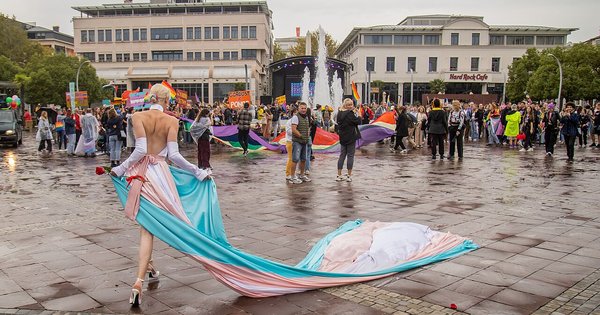
Split’s queer history is not a gentle one. The city’s first Pride, in June 2011, was attacked — a few hundred marchers met by a far larger crowd hurling rocks, bottles, and tear gas, with police struggling to hold the line. It was ugly, and it made national news. But the story didn’t end there. The next year’s march drew more participants and a heavy protective police presence, and Split Pride has returned and grown since, becoming an established if still carefully guarded fixture of the Dalmatian summer.
We mention this not to scare anyone off — Split today is a major international tourist city where same-sex couples move around without trouble — but because it’s the honest backdrop. The contrast between cosmopolitan, tourist-facing Split and the more conservative currents of the surrounding region is real, and it’s the same tension we’ve described in Albania and along the Montenegrin coast.
What Split is actually like
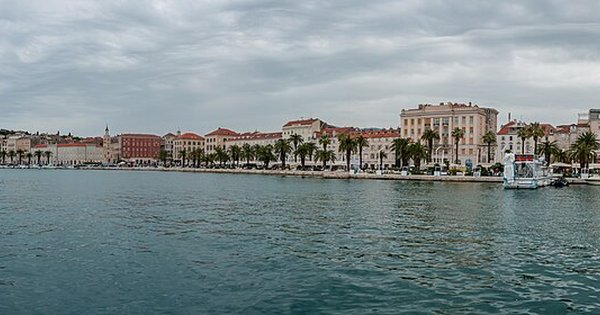
The heart of the city is Diocletian’s Palace, a sprawling 4th-century Roman complex that isn’t a museum you visit so much as a neighborhood you wander into — cafes, apartments, bars, and stone alleys all woven through the ancient walls. The Riva waterfront promenade is where the whole city turns out in the evening. As a queer traveler, you’ll find the experience is one of a welcoming general destination rather than a dedicated gay scene: there’s no real gayborhood and few if any exclusively LGBTQ+ venues, but the bar and cafe culture is relaxed and the crowds are international.
The real LGBTQ+ energy on this coast shifts, in summer, to the islands — and especially Hvar, a short ferry from Split that’s long been Croatia’s unofficial gay hotspot. If you’re after nightlife and a more openly queer holiday atmosphere, plan Split as your gateway and base, then island-hop. Brač, Vis, and the farther Adriatic islands reward the effort too.
Practical notes for queer travelers
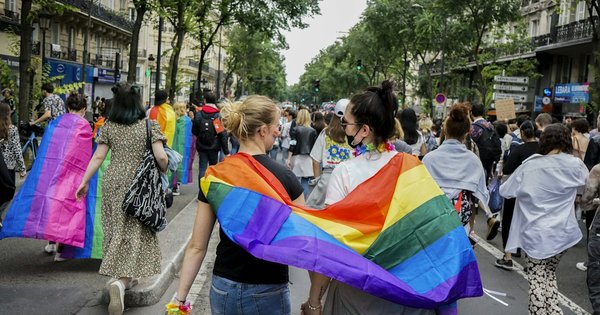
Public displays of affection are fine within the tourist core and on the islands, where two men or two women together are unremarkable; use the same situational awareness you would anywhere once you’re out of the visitor bubble or in smaller mainland towns. Summer is peak everything — peak heat, peak crowds, peak prices — so spring and September are the sweet spots if you can swing them. Ferries are run by Jadrolinija and fill up in July and August, so book island crossings ahead. And if your trip lands in June, check the Split Pride calendar; catching the march is a worthwhile way to see the city’s queer community show up for itself.
The bottom line
Split isn’t a destination you choose because it’s gay-friendly — it’s a stunning Adriatic city that happens to be comfortable and easy for most LGBTQ+ travelers, with a harder past worth knowing and a livelier island scene a ferry ride away. For us, it’s near the top of the “why haven’t we gone yet” list. When we finally do, we’ll file the lived-in version.