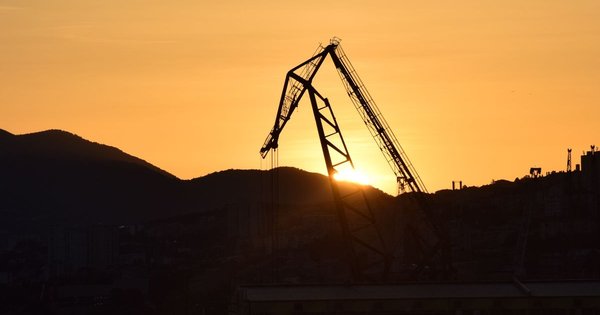
When we passed through Rijeka back in 2015, it was the kind of stop that wasn’t really on anyone’s list — a gritty Adriatic port city that most travellers blew past on the way to the postcard islands. A decade later, Rijeka has quietly become one of the most interesting places on the Croatian coast for queer travellers, precisely because it never tried to be a postcard. This is a working city with an alternative, slightly punk soul, and that edge has made room for an LGBTQ+ community that feels lived-in rather than staged for tourists.
If you’re weighing the Croatian coast and your instinct is Dubrovnik or Split, hear us out: Rijeka is the one worth a second look.
The lay of the land
Rijeka is Croatia’s third-largest city and its biggest port, tucked into the Kvarner Gulf at the top of the Adriatic. The spine of social life is the Korzo, the broad pedestrian promenade that runs through the centre. It’s where the whole city walks in the evening, and where you’ll see queer couples strolling hand-in-hand without much fuss — a small, ordinary freedom that says a lot about the local temperature.
Croatia as a country is still working through its relationship with LGBTQ+ rights. Same-sex couples have life-partnership recognition (though not full marriage or joint adoption), and the political climate swings depending on which way the national winds are blowing. But the lived experience varies enormously by place, and Rijeka has long had a reputation as one of the more tolerant, open-minded corners of the country. It reminds us a little of how Sofia or parts of Tirana feel — places where the legal framework lags the everyday warmth you actually encounter on the street.
Community and nightlife
Here’s the detail that genuinely sets Rijeka apart from most cities its size: it has a real, physical LGBTQ+ community centre. LGBTIQ+ Druga Rijeka opened its doors in 2014 and has anchored local organising ever since — a hub for events, support, and the kind of community infrastructure that’s still rare across much of the Balkans. If you want to plug into what’s actually happening while you’re in town, that’s your starting point.
For nightlife, Rijeka leans alternative rather than commercial-gay. The legendary OKC Palach — a cultural centre and club near the centre — is the heart of it, hosting queer parties, live music, drag, and art happenings throughout the year. You won’t find a dense strip of dedicated gay bars the way you would in a bigger Western European city; Croatia’s scene is laid-back and mixed, and Rijeka’s is woven into its broader alternative culture rather than cordoned off into a “gay quarter.” Honestly, we’ve come to prefer that texture. The party finds you.
Beaches and day trips
This is where Rijeka quietly overdelivers. The city is a launchpad to some of the Adriatic’s most relaxed queer-friendly swimming. Nearby Kostrena is famous for its rocky coves and easygoing atmosphere, and the island of Krk — just a short ferry or bridge hop away — has a handful of unofficial nude and gay-friendly beaches where nobody bats an eye. The water here is the clear, ridiculous blue that Croatia is rightly famous for, minus the cruise-ship crowds you’ll fight in the south.
Rijeka was the European Capital of Culture in 2020, and that investment left the city with a stronger arts and museum scene than its size would suggest — worth a half-day when you’ve had your fill of the coast.
Practical notes
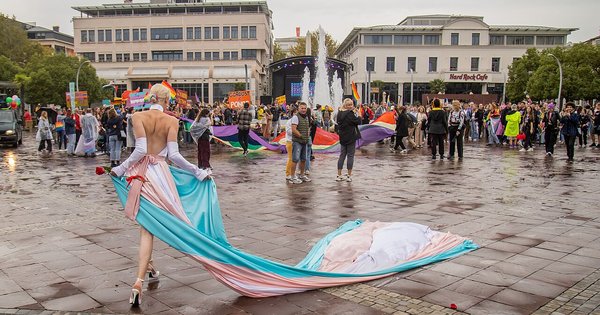
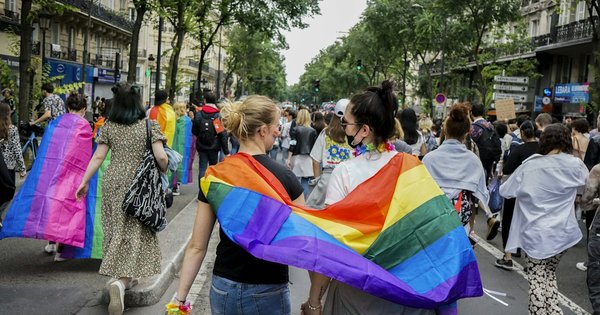
Getting there is easy: Rijeka is well connected by bus and rail to Zagreb (a couple of hours inland) and along the coast, and Rijeka Airport on Krk handles seasonal flights. Summer is the obvious season for the beaches, but it’s also when the city feels most alive. Rijeka Pride has grown steadily — the 2024 march was its largest yet, drawing participants from across the Balkans — so timing a visit around it is a great way to see the community at full volume.
A few honest caveats: discretion still makes sense in more conservative or rural pockets outside the city, public displays of affection draw less notice on the Korzo than they might in a small village, and Croatia’s scene rewards travellers who do a little homework before arriving rather than expecting a turnkey gay district.
But that’s exactly the appeal. Rijeka isn’t packaged for you. It’s a real city with a real community, a genuinely welcoming streak, and a coastline that quietly outclasses its flashier neighbours. Of all the places we’ve drifted through on this coast, it’s the one we keep telling people to stop being snobby about and actually visit.