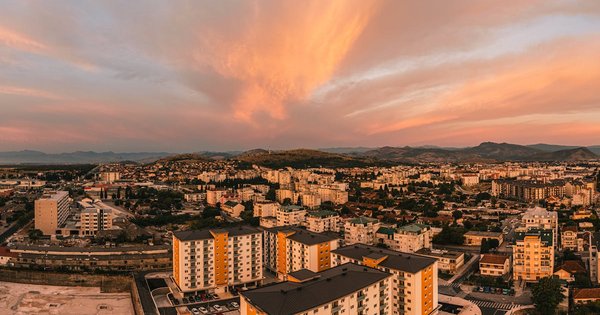
We’ll be upfront: we haven’t made it to Montenegro’s coast yet. Back in 2015 we spent time in Podgorica, the inland capital, and we’ve been meaning to get down to the Bay of Kotor ever since. So treat this as a researched guide rather than a personal dispatch — the kind of thing we’d want to read ourselves before booking. When the lived-in details below come from friends and fellow travelers, we say so.
The legal picture: better than you’d guess
Here’s the headline that surprises people: Montenegro is the only country in the Western Balkans outside the EU to legally recognize same-sex couples. Its Life Partnership Act came into force in 2021, granting registered same-sex partners many of the rights of married couples — inheritance, property, next-of-kin status, and more. It does not include joint adoption, and full marriage is not on the table, but as a baseline it puts Montenegro ahead of Serbia, Kosovo, North Macedonia, and Bosnia, none of which recognize same-sex partnerships at all.
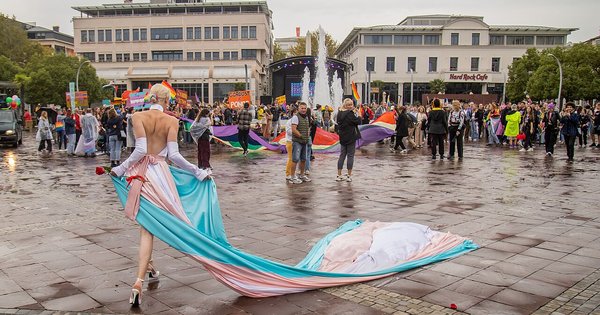
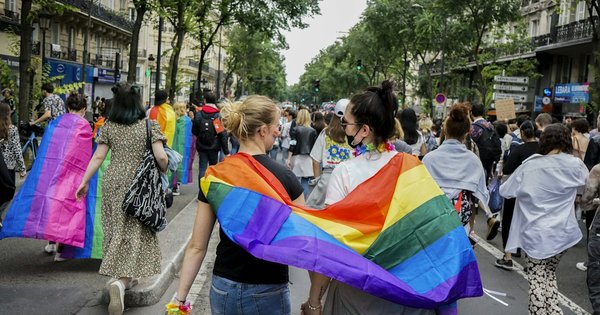
Montenegro is also an EU accession frontrunner, widely seen as the candidate most likely to join next, and that process has helped keep LGBTQ+ rights on the political agenda. Montenegro Pride has marched in Podgorica since 2013, and while early editions needed heavy police protection, the event has become an established fixture.
What the coast is actually like
The Bay of Kotor — a dramatic fjord-like inlet ringed by mountains, with the UNESCO-listed medieval town of Kotor at its head — is the scenic heart of the coast. Budva, further south, is the party capital, with beaches, nightlife, and a walled old town. Both are deeply geared toward international tourism, and that matters: in heavily touristed Adriatic towns, two men or two women traveling together are unremarkable, and travelers consistently report feeling comfortable in restaurants, hotels, and bars.
The caveat is the same one that applies across much of the Balkans, and it’s the same advice we’d give for our own home base in Albania: social attitudes remain conservative, especially outside the tourist bubble and away from the coast, and overt public displays of affection can draw stares or worse. There is no dedicated “gay scene” — no gay bars or clubs to speak of in Kotor or Budva — so the experience is one of a welcoming general tourist destination rather than an LGBTQ+ destination per se. That’s very similar to what we found in Podgorica: perfectly livable, quietly discreet, no rainbow infrastructure.
Practical notes for queer travelers
Accommodation is straightforward. Large international booking platforms dominate the coast, and we’ve never heard of same-sex couples having issues reserving a double room at hotels or apartments catering to foreign tourists. If you want extra certainty, sticking to established international chains or well-reviewed tourist apartments is the safe play, as it is anywhere in the region.
Getting there is easy by Balkan standards. Tivat airport sits right on the bay, a short drive from Kotor, and Podgorica’s airport is about 90 minutes inland. The coast is busiest — and priciest — in July and August; late spring and September offer better weather-to-crowd ratios, which is the window we’d personally aim for.
On safety, the standard regional common sense applies: be aware of your surroundings, save partnership documentation if it’s relevant to your trip, and know that while the law is on your side in a way it isn’t in much of the Balkans, social acceptance is still a work in progress. Montenegro decriminalized homosexuality back in 1977 and has anti-discrimination protections on the books, so the legal foundation is genuinely solid.
Should you go?
If you love dramatic landscapes, walkable medieval towns, and swimmable Adriatic water without the crowds and prices of the Croatian coast just to the north, Montenegro is a strong yes. As queer travelers, you’ll find a country whose laws are quietly progressive and whose tourist towns are easygoing, paired with a wider culture that’s still catching up. Go for the scenery and the surprisingly solid rights baseline; calibrate your expectations on the nightlife and the public displays of affection.
We’ll report back properly once we finally make the trip ourselves — Kotor has been near the top of our list for a decade now, and 2026 might just be the year.
Sources: Outright International / Recognition of same-sex unions in Montenegro, ILGA-Europe Rainbow Map.