We’ve based ourselves in a lot of European cities since we started traveling full-time in 2022, and Barcelona is one of the few we keep recommending without an asterisk. With Spain having just taken the top spot on Europe’s LGBTQ+ rights ranking, it feels like the right moment to write down what we actually learned living there — not the postcard version, but the practical one for queer people who work online and want to stay a while.
What it feels like to be openly gay here
Honestly? Unremarkable, in the best way. Barcelona is a city where holding hands on the street is a non-event in most neighborhoods, where you don’t do the reflexive scan we’ve gotten used to in more conservative places. That ease isn’t an accident. Spain legalized same-sex marriage back in 2005, the legal protections are strong and now actively enforced, and Barcelona specifically has a long, visible queer history. The comfort you feel walking around is the social downstream of decades of legal and cultural work.
We’d add the usual honest caveat: a big, cosmopolitan city is not the whole country, and even within Barcelona, comfort can vary block to block and late at night the way it does anywhere. But as European bases go, the floor here is high.
Neighborhoods
The gay heart of the city is in the Eixample district — the grid of elegant 19th-century blocks — and specifically the cluster locals nicknamed “Gaixample,” roughly around the streets near Carrer del Consell de Cent. That’s where you’ll find the densest concentration of LGBTQ+ bars, cafes, and businesses. It’s central, walkable, and well-connected by metro, which makes it an obvious anchor if nightlife and community proximity matter to you.
That said, for a longer stay we’d think beyond just Gaixample. Gràcia, a little further north, has a village-y, lived-in feel with plazas full of people in the evenings and a slower pace that’s easier to work and live in for weeks at a time. El Born and the Gothic Quarter are gorgeous but touristy and can be loud. Poblenou, toward the water, has a quieter, more modern feel and tends to be a bit easier on the budget. Where you land depends on whether you’re optimizing for nightlife, calm, or price.
The practical nomad stuff
Internet. Spain has genuinely good fiber, and Barcelona apartments frequently come with fast connections. This is one of the easier cities in Europe to take calls from without anxiety. We still travel with a backup mobile data plan, but we rarely needed it here.
Working spots. There’s a deep bench of coworking spaces and laptop-friendly cafes, especially around Eixample and Poblenou. The Spanish daily rhythm runs later than northern Europe — lunch is late, dinner is very late — so build your call schedule around the fact that the city wakes up and winds down on its own clock.
Visas. This is the one to plan around. For non-EU travelers, standard Schengen rules apply, which means the 90-days-in-any-180 limit unless you hold a longer-stay permit. Spain does have a digital nomad visa aimed at remote workers, which can be worth investigating if you want to stay past the Schengen window — but the requirements and processing are their own project, and we always tell people to verify the current rules with official sources rather than trusting a blog (including ours) for something this consequential.
Getting around. The metro is excellent and cheap, the city is flat and walkable, and you won’t want or need a car. The airport is well-connected for the cheap intra-Europe flights that make a nomad rotation possible.
Community and Pride
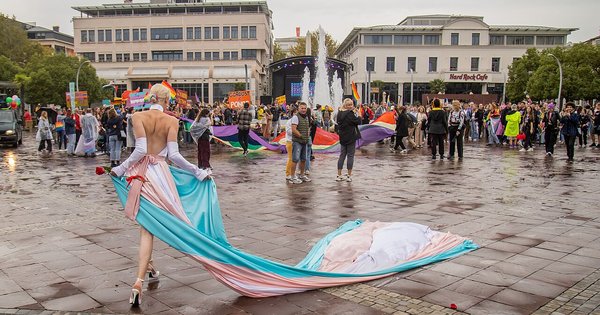
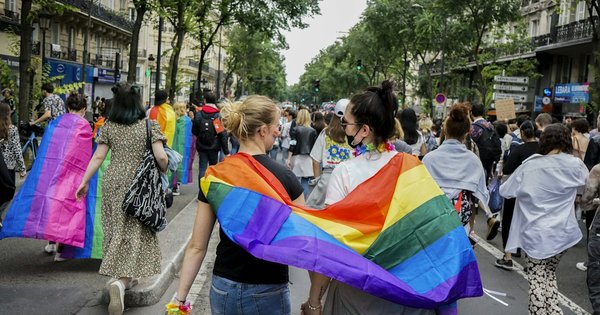
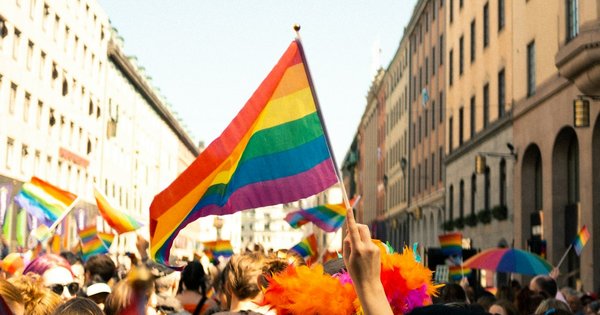
Barcelona’s Pride (Pride Barcelona) is a major summer event, and the city’s queer scene runs year-round rather than switching off outside June. Beyond nightlife, there’s an active network of LGBTQ+ organizations and community spaces, which matters if you’re staying long enough to want actual community rather than just bars. The nearby town of Sitges, a short train ride down the coast, is one of the most famously gay-friendly beach destinations in Europe and makes an easy day or weekend trip.
Would we go back?
Yes — and we probably will. Barcelona hits the combination we’re always chasing: strong rights, easy daily life, good infrastructure for working, and enough beauty and culture that you don’t feel like you’re just passing through. Spain reaching the top of the Rainbow Map is a national-level story, but the part that sticks with us is smaller and more concrete: it’s a place where the ordinary business of living as a couple is, finally and refreshingly, just ordinary.
Note: visa rules, fees, and eligibility change. Always confirm current requirements with official Spanish government sources before making plans. Sources on Spain’s rights standing: ILGA-Europe — Rainbow Map 2026.