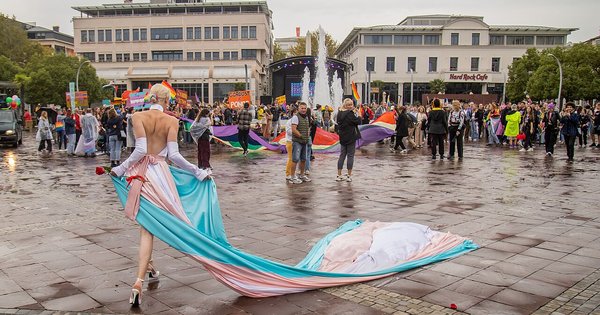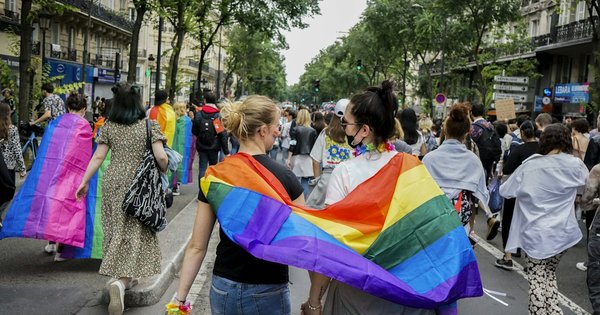
When people picture LGBTQ+ Thailand, they picture Bangkok — Silom’s bars, the enormous Bangkok Pride parade, the international travel awards. That image is real, but it is also incomplete. Some of the more interesting work is happening far from the capital, and this June one example is on full display: Khon Kaen, a city in the heart of Thailand’s rural northeast, is mounting a Pride festival (June 26–28) with the explicit goal of becoming the “Rainbow City of Isaan.”
It is a genuinely lovely piece of ambition, and a useful corrective to the assumption that LGBTQ+ acceptance only takes root in big, cosmopolitan cities.
What Khon Kaen is actually doing
Isaan — Thailand’s northeastern region — is the country’s largest and, by reputation, its most traditional and agricultural. It is not where most people would expect to find a city staking a claim as a rainbow capital. Khon Kaen is doing it anyway, and the plans are concrete rather than symbolic.
The festival includes the creation of rainbow-colored pedestrian crossings, turning the city’s streets themselves into a permanent-ish statement of welcome. There is also a “Rainbow School” competition, an initiative aimed at schools and young people that pushes the conversation about inclusion into the next generation rather than keeping it confined to a single weekend party. Both ideas share a logic: make acceptance part of the everyday fabric of the place, not just a once-a-year event that packs up and disappears.
This is part of a much larger picture. Pride Month activities are running across more than 40 provinces in Thailand this year, from May 17 through the end of June — a genuinely nationwide spread that few countries anywhere can match.
The marriage-equality backdrop
None of this is happening in a vacuum. Thailand’s Marriage Equality Act made the country the first in Southeast Asia to recognize same-sex marriage, and it has reshaped both the legal landscape and the national mood. Tens of thousands of couples have married since the law took effect, and the change has accelerated Thailand’s perception — at home and abroad — as one of Asia’s most welcoming places for LGBTQ+ people.
That legal foundation is what makes a project like Khon Kaen’s possible. When marriage equality is the law of the land, a provincial city painting rainbow crosswalks is not a radical act of defiance; it is a city getting on board with where the country has already decided to go. The Marriage Equality Act gave municipalities, schools and local businesses permission to be openly affirming, and places like Khon Kaen are taking it.
Why the “rest of the country” story matters
We cover a lot of Pride seasons across Europe and the Balkans, and one pattern holds almost everywhere: the gap between the capital and everywhere else is usually enormous. Tirana is more relaxed than rural Albania; Belgrade is a different world from small-town Serbia; Bangkok has long been a different planet from rural Isaan. Rights and visibility tend to pool in big cities and thin out fast in the countryside.
That is exactly why Khon Kaen is worth paying attention to. A Pride festival in Bangkok confirms what everyone already knows. A Pride festival in a northeastern provincial city — with infrastructure, schools and local buy-in behind it — is a sign that acceptance is spreading into the parts of a country where it is usually slowest to arrive. The “Rainbow City of Isaan” framing is marketing, sure, but it is marketing pointed at a real and meaningful goal.
A note on joy
It is easy, in a year heavy with rollbacks and court fights, to treat every Pride story as a battle report. This one mostly is not. Khon Kaen’s festival is, at its core, a happy story — a city deciding it wants to be known as welcoming, and putting paint, programming and civic energy behind that decision. The rainbow crosswalks will still be there after the festival ends. The students who take part in the Rainbow School competition will carry that experience forward.
Thailand has earned its reputation as a regional leader the hard way, through years of advocacy and a landmark law that many doubted would ever pass. What is happening in Khon Kaen is what that leadership looks like once it filters down from the capital to the rest of the map — ordinary cities, far from the spotlight, deciding that they too want to fly the flag. It is a reminder that the most encouraging Pride stories are not always the biggest ones.