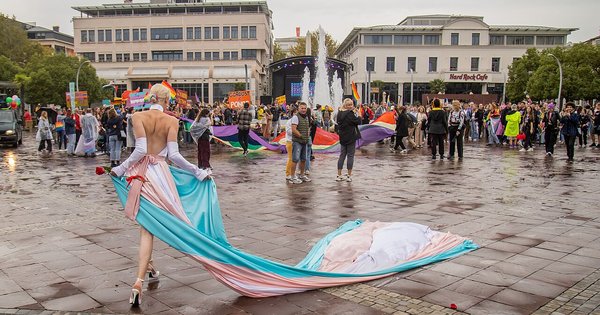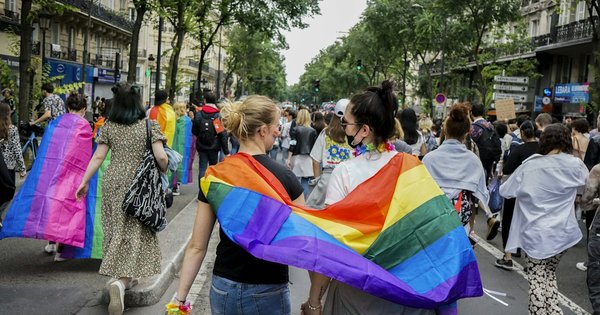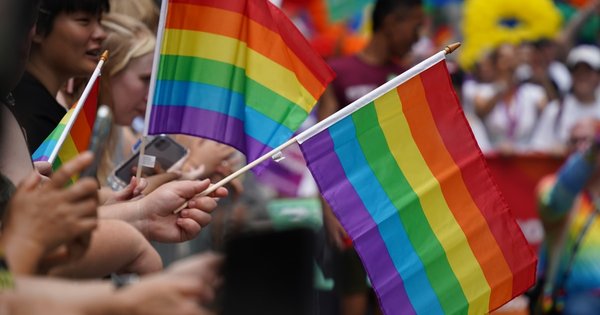
Dublin spends this week in full color. The city’s LGBTQ+ Pride festival runs June 24–28, building toward the parade on Saturday, June 27 — the 52nd time the community has taken to the streets of the Irish capital. This year’s theme is “One Story, Many Voices,” and it carries a quiet argument inside it: that no single voice can speak for everyone under the rainbow, and that the point was never to find one that could.
A theme about the thread, not the chorus
Pride themes can be slogans you forget by lunchtime. This one is doing a little more work. Organizers describe “One Story, Many Voices” as a way of naming the thread that connects a community “across time, borders, and very different lived experiences” — while admitting, plainly, that “while no single voice can represent us all, every voice counts.”
That framing matters in 2026. Pride movements across Europe are being pulled in two directions at once: toward a flattened, sponsor-friendly unity on one side, and toward fracture and infighting on the other. A theme that refuses both — that holds difference and solidarity in the same hand — feels less like branding and more like a position. It’s the kind of message we’d want to hear in Tirana or Belgrade as much as in Dublin.
A Grand Marshal who carries the point
Leading the parade is Philippa Ryder, named this year’s Grand Marshal. She’s an author and activist whose CV reads like a map of how change actually gets made in a country: she has served on the board of Dublin LGBTQ+ Pride and of TENI (Transgender Equality Network Ireland), chaired Dublin Pride, and was instrumental in setting up LGBTQ+ staff networks across the Irish public service. Her memoir, My Name Is Philippa, tells the lived reality of being a trans woman in Ireland.
Choosing a trans woman to lead the march is not a small gesture at a moment when trans people are the front line of organized backlash across Europe and beyond. Where some Pride organizations have wavered on trans inclusion under political pressure, Dublin is putting a trans elder at the head of the column. It’s the theme made literal — one story, many voices, and this year the loudest microphone handed to a voice that others have tried to talk over.
What Saturday actually looks like
The parade steps off at 12:30pm on Saturday, June 27, and runs roughly two hours. It begins outside the GPO on O’Connell Street — the same building bound up in Ireland’s founding history — and threads through Eden Quay, Custom House Quay, across the Talbot Memorial Bridge, then City Quay, Lombard Street, Westland Row, and Merrion Street Lower.
The march empties into Pride Village at Merrion Square, a free festival space with live entertainment, food vendors, information stands, and family-friendly programming. If you’ve only ever experienced Pride as a parade you watch and then leave, the village model — a public square turned over to the community for an afternoon — is worth lingering in. It’s where the day stops being a spectacle and starts being a gathering.
Ireland’s particular vantage point
It’s easy to forget how fast Ireland moved. This is a country that decriminalized homosexuality only in 1993, then became the first in the world to introduce marriage equality by popular vote, in the 2015 referendum. That history gives Irish Pride a specific texture: it remembers being illegal, and it remembers winning at the ballot box, which makes it allergic to complacency. A 52-year-old parade in a city that criminalized its participants within living memory is not a victory lap. It’s a reminder that rights arrive late and have to be kept.
For LGBTQ+ travelers, Dublin in late June is one of the more welcoming Pride windows in Europe — a compact, walkable city, an English-speaking arrival point, and a festival that has had five decades to learn how to host. We haven’t made it to Dublin Pride ourselves yet, but it sits high on the list of European marches that get the balance right between joy and seriousness.
The bigger weekend
Dublin doesn’t march alone this weekend. June 27 is one of the busiest Pride dates on the European calendar: Paris holds its march the same Saturday, Munich’s Christopher Street Day reaches its main parade, and cities across the continent fill their streets. For a community whose theme this year is many voices, it’s a fitting image — dozens of cities, one weekend, no single story large enough to hold them all, and every one of them counting.
Sources: RTÉ — What to know ahead of the Dublin Pride Parade 2026; GCN — Dublin Pride announces Philippa Ryder as 2026 Grand Marshal; Dublin Pride — Theme; Visit Dublin — Dublin Pride Festival 2026.