Six days. On Saturday, 25 July 2026, WorldPride Amsterdam opens, and for the following fifteen days — through 8 August — the Dutch capital becomes the beating heart of the global LGBTQ+ world. More than 300 events are scheduled across the city. It is the first time Amsterdam has hosted WorldPride and EuroPride together under a single banner, and it lands on a pointed anniversary: the Netherlands is marking 25 years since it became the first country on earth to legalize same-sex marriage, back in April 2001.
We have covered the countdown for weeks, and now it is close enough to be real. So rather than another day-by-day checklist, here is the shape of the two weeks ahead — and an argument for why this particular WorldPride matters.
The opening weekend
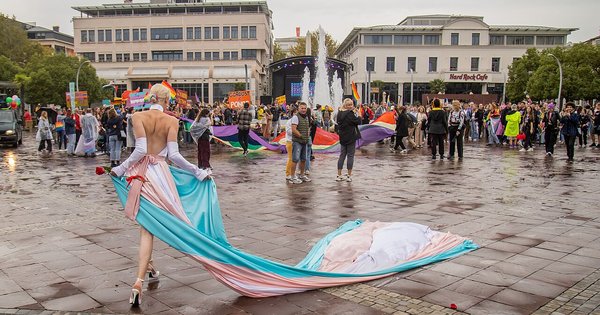
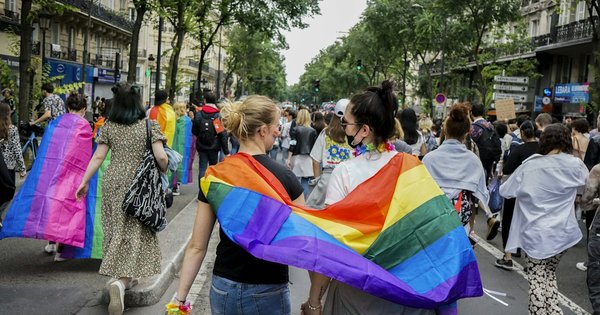
The festival opens with the Pride Walk on Saturday 25 July, running from Dam Square to Vondelpark between 11:00 and 15:00. Unlike the celebratory Canal Parade that closes the first week, the Pride Walk is deliberately closer to a march — a demonstration, a reminder of what Pride was before it was a party. It flows straight into Pride Park at Vondelpark, open from noon until 22:00, free and open to everyone.
From there the calendar barely pauses. An open-air film festival runs at Mercatorplein at the end of July, a Senior Pride Concert takes over Nieuwmarkt on 30 July — a lovely, underrated fixture that centers the elders of the community — and street parties spill across the city center on the final two days of the month.
The Canal Parade and the finale
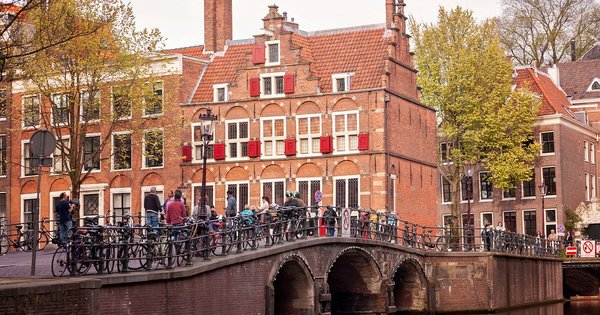
The event most people picture when they think of Amsterdam Pride is the Canal Parade on Saturday 1 August, from noon to 18:00. Boats decked in flags and sound systems wind through the canals of the city center while hundreds of thousands watch from the bridges and banks. It remains one of the most distinctive Pride spectacles anywhere in the world — there is simply nothing quite like a Pride parade held on water. The MainStage Grand Finale party at Dam Square follows on Sunday 2 August.
If you are planning to be there for the parade, treat the canal-side vantage points as a scarce resource. The bridges fill early, and the best views along the Prinsengracht go to people who showed up hours ahead. Book anything you can book in advance, and build in far more travel time than a normal Amsterdam day would require.
The part that isn’t a party
Here is why we would argue this WorldPride is more than a fortnight of celebration. From 5 to 7 August, the Beurs van Berlage hosts a three-day Human Rights Conference, followed by the WorldPride Village at Museumplein and a UNITY Concert on 4 August. The conference is the connective tissue that separates a WorldPride from a very large city Pride: it is where activists, lawyers, and organizers from countries with radically different legal realities compare notes and coordinate.
And 2026 gives them plenty to talk about. This is a year in which the United States has rolled back federal protections and its Supreme Court has upheld state bans on transgender athletes; in which Hungary, Slovakia, and others have pressed anti-LGBTQ measures; in which a couple in Botswana is arguing for marriage equality before a High Court that will hear the case in October; in which Pride marches across the Balkans have gone ahead under police protection and real threat. Amsterdam, sitting near the top of Europe’s rights rankings and celebrating a 25-year milestone, is hosting the global conversation at a moment when the global picture is genuinely contested.
That contrast is the point. It is easy to read a Canal Parade as a sign that the work is done. The Human Rights Conference three days later exists precisely to insist that it is not — that a country can be a model at home while its neighbors and allies are backsliding, and that solidarity has to be organized, not assumed.
What to keep in mind if you’re going
A few practical notes for anyone landing in Amsterdam over the next two weeks. Accommodation has been booked out for months, so if you are still improvising, look at day trips from nearby cities on the excellent Dutch rail network rather than hunting for a room in the center. The headline events — the Pride Walk, Pride Park, the Canal Parade, most of the street programming — are free, which is one of the genuinely admirable things about how Amsterdam runs its Pride. The ticketed items are mainly the concerts and the conference.
And pace yourself. Fifteen days is a marathon, not a sprint. The people who have the best WorldPride are usually the ones who pick a handful of things that matter to them — a march, a concert, one late night, one quiet afternoon in Pride Park — rather than trying to attend all 300 events on the calendar.
The bigger picture
WorldPride moves cities every couple of years, and where it lands says something. In 2026 it has landed in the first country that ever said yes to marriage equality, in a year when a lot of the world is saying no or not yet. For fifteen days, Amsterdam gets to be both a celebration of how far things have come and a working meeting of the people trying to carry that progress everywhere it hasn’t reached. That is worth showing up for — on a bridge over the canal, or in a conference hall three days later.
Sources: Pride Amsterdam — WorldPride 2026, Pride Amsterdam events agenda, I amsterdam.