We haven’t made it to Shkodër yet. It’s on the list for our next stretch in Albania — but between Tirana, Sarandë, and Durrës, this is one corner of the country we’re still going on secondhand information for, from friends and fellow travelers who’ve made the trip north. So take this as a researched primer rather than a personal account: what Shkodër actually offers, and what LGBTQ+ travelers should realistically expect.
The basics
Shkodër is Albania’s fifth-largest city and one of its oldest, sitting at the southern edge of Lake Shkodër — the largest lake in the Balkans, shared with Montenegro — at the foot of the Albanian Alps, which locals and hikers alike still call by their older, more evocative name: the Accursed Mountains. It’s about a 90-minute drive from Tirana and less than an hour from the Montenegrin border, which makes it a natural add-on for anyone already routing through Podgorica or Kotor.
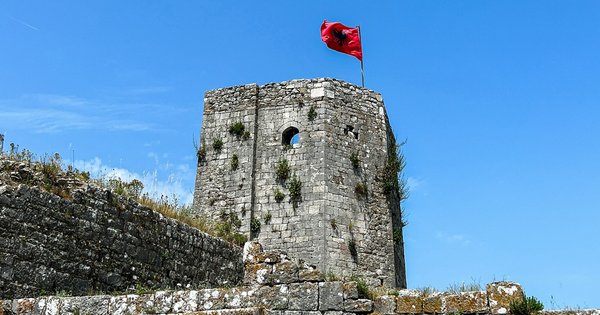
Historically, Shkodër was Albania’s Catholic and cultural capital under Ottoman and Venetian rule alike, and that layered history is still visible: the hilltop Rozafa Castle overlooks the lake and river confluence, the old town has a walkable core of Ottoman-era buildings, and the city retains a noticeably more traditional, conservative character than Tirana. That last point matters for LGBTQ+ visitors specifically.
What it’s like on the ground, from what we’ve heard
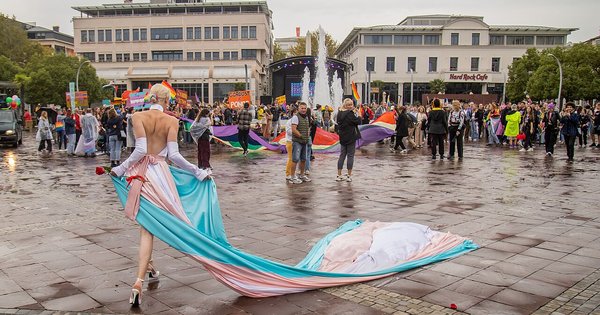
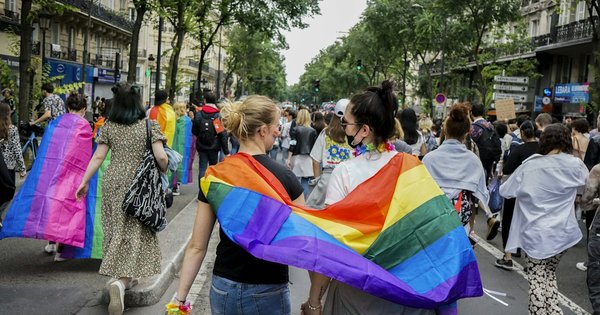
Albania overall isn’t a difficult country for LGBTQ+ travelers, particularly compared to some of its Balkan neighbors — same-sex sexual activity has been legal since 1995, discrimination protections exist on paper, and Tirana has run an annual Pride march since 2018. But Albania’s LGBTQ+ visibility is heavily concentrated in Tirana, where there’s an actual scene: Blloku’s bars, a handful of LGBTQ-friendly spaces, and a critical mass of younger, more cosmopolitan residents.
Shkodër doesn’t have that critical mass. Friends who’ve traveled through describe it as safe in the way most of Albania is safe for travelers generally — low violent crime, a culture that’s more reserved than hostile — but without the visible queer infrastructure Tirana has built. There’s no dedicated LGBTQ+ venue that we’ve been able to confirm is currently operating. Public affection between same-sex couples is best kept low-key here, more so than in Tirana, in line with the city’s more traditionally Catholic and Muslim conservative character.
That doesn’t mean skip it. It means treat Shkodër the way you’d treat a smaller conservative city anywhere in Southern Europe: genuinely worth visiting for the history, the lake, and the mountains, without an expectation of an LGBTQ+ scene once you’re there.
What’s actually worth the trip
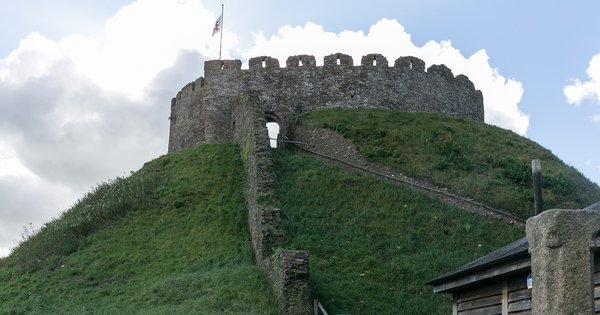
Rozafa Castle is the obvious anchor — a hilltop fortress with foundations dating to antiquity, rebuilt repeatedly by Illyrians, Romans, Venetians, and Ottomans in turn, with views over the lake that locals will tell you are worth the visit on their own. The old town’s Ottoman-era streets around the Pjaca pedestrian zone are dense with cafés, and Shkodër has a genuine cycling culture — it’s flat, compact, and one of the more bike-friendly cities in Albania, a rarity in a country still catching up on urban infrastructure.
The bigger draw for most travelers, though, is what surrounds the city rather than what’s in it. Lake Shkodër itself is worth a boat trip, particularly toward the Montenegrin side around Lake Skadar National Park. And Theth and Valbonë, two of the most photographed valleys in the Accursed Mountains, both use Shkodër as their jumping-off point — multi-day hikes through terrain that gets compared, not unreasonably, to the Dolomites at a fraction of the cost and crowds.
Practical notes
Shkodër works well as a two- or three-day add-on to a Tirana-based trip, or as a stopover between Albania and Montenegro rather than a nomad base on its own — accommodation options and long-stay infrastructure are thinner here than in Tirana or the coastal towns. Buses run regularly from Tirana (roughly two hours) and from Podgorica across the border. Cash is still king in smaller shops and countryside guesthouses outside the main tourist strip, so don’t assume you can card-tap your way through.
We’ll update this once we’ve actually been. Until then, consider Shkodër what it is: one of the more rewarding under-visited corners of the Balkans, best approached with the same low-key discretion you’d use in any conservative regional city — and worth it for the mountains alone.