We haven’t made it to Novi Sad yet — Serbia is still a gap on our own map — so consider this a researched guide rather than a set of first-person dispatches. But it’s a city we keep hearing about from fellow travelers, and this July gives us a good reason to write about it: the 25th and final Novi Sad edition of EXIT Festival lands at Petrovaradin Fortress from July 10 to 13, 2026. If you’ve been thinking about Serbia’s easygoing second city, this is a moment worth understanding.
The lay of the land
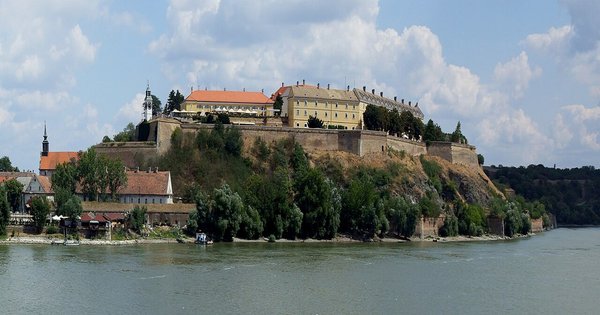
Novi Sad is Serbia’s second-largest city, the capital of the northern Vojvodina region, and it wears its history lightly. The Habsburg-era old town, the cafe-lined Zmaj Jovina and Dunavska streets, and the enormous Petrovaradin Fortress across the Danube give the place a relaxed, walkable, distinctly Central European feel — closer in atmosphere to what we found in parts of Sofia than to the harder edges of a big capital. It’s a student city, which means a young, creative undercurrent runs through its bars and coffee culture.
For queer travelers, the honest headline is this: Novi Sad is welcoming in an understated way, but it is not a scene city. There are few, if any, dedicated gay venues — far fewer than Belgrade, which remains Serbia’s hub for nightlife and organized LGBTQ+ life. What Novi Sad offers instead is a spread of inclusive, mixed cafes and bars where a same-sex couple grabbing coffee or a rakija won’t turn heads, especially around the student and old-town quarters.
Reading the room on safety
Serbia’s legal and social picture is genuinely mixed, and it’s worth being clear-eyed. On paper, Serbia has anti-discrimination protections, and Belgrade has hosted Pride marches (including EuroPride in 2022) under heavy police protection. In practice, social attitudes remain conservative, and visible queerness can still draw hostility — more so outside the capital.
Most reports from queer visitors to Novi Sad follow a familiar Balkan pattern: couples who are relaxed but not demonstrative in public generally have an easy, uneventful time, while overt public displays of affection can attract stares or worse in the wrong spot. It’s the same calculus we’ve made ourselves in cities like Sofia and Bucharest — you enjoy the place fully, you read the room, and you save the hand-holding for queer-friendly venues and private spaces. Novi Sad even held its first small Pride gathering in 2019, organized locally with support from Belgrade Pride, a sign that community life is slowly becoming more visible.
EXIT Festival’s last dance in Novi Sad
The reason Novi Sad is in the news this month is bittersweet. EXIT, the sprawling music festival that has drawn hundreds of thousands to the Petrovaradin Fortress every summer since 2000, is holding what organizers have said is its final edition at the fortress, running July 10 to 13, 2026, after the festival’s public backing of Serbia’s student-led protests put it at odds with authorities.
EXIT has long carried an activist streak, and its crowd has historically been diverse, international, and open — one of the moments in the Serbian calendar when the city feels most cosmopolitan. If you’re attending, expect a huge, mixed, party-forward crowd rather than a queer-specific space; the festival grounds are generally one of the more come-as-you-are environments you’ll find in the country. Book accommodation early, because the city fills up completely during festival week.
Practical notes
Getting there is easy: Novi Sad sits about 80 kilometers north of Belgrade, roughly a 40-minute train or bus ride, which makes it a natural add-on to a Belgrade trip or a quieter base for a few days. The Serbian dinar is the currency, cards are widely accepted in the center, and English is common among younger people and in hospitality.
For digital nomads, Novi Sad has a real appeal we can vouch for on paper if not yet in person: fast internet, a serious cafe culture, low costs by Western European standards, and a walkable core. Serbia’s residence and visa framework is relatively generous for many nationalities, and the city’s student energy keeps coworking and cafe options lively.
The honest bottom line
Novi Sad isn’t a gay-nightlife destination, and we’d steer anyone chasing that toward Belgrade or, further afield, toward the bigger scenes in Athens or Barcelona. But as a warm, low-key, beautiful Danube city with a genuine cultural pulse — and, this July, one last enormous festival at its fortress — it’s an easy and rewarding place to spend a few days, provided you travel with the same gentle situational awareness that serves queer visitors well across much of the Balkans. When we finally make it there ourselves, we’ll report back with the first-person version.
Sources: reporting drawn from Balkan Insight, Novi Sad Pride (Wikipedia), and coverage of EXIT Festival’s 2026 finale.