Vienna was one of the easier stops in our rotation, and we mean that in the specific way nomads mean it: nothing dramatic happened, everything worked, and we left without a single story that starts with “so this one time at customs.” That’s a compliment. After stretches in places where every logistical question takes three phone calls to resolve, a city where the trains run on time and the bureaucracy is at least predictable is its own kind of relief.
The visa reality nobody tells you upfront
Let’s get the least fun part out of the way first, because it’s the part that actually determines whether Vienna works for your particular version of nomad life. Austria does not have a dedicated digital nomad visa. If you’re a US citizen or otherwise coming in on a passport without EU freedom of movement, your realistic option is the standard Schengen allowance: 90 days within any rolling 180-day period, full stop. There’s no nomad-specific extension, no special remote-worker category layered on top of it.
The one alternative route Austria does offer is the Red-White-Red Card, but it’s built for people launching an “innovative” startup with serious capital behind it — think a minimum €50,000 investment with at least half in equity, a business plan, and a points threshold you need to clear. It is not a realistic path for someone who just wants to work their existing remote job from a Viennese apartment for six months. If you need more than 90 days, plan Vienna as one stop in a wider Schengen rotation rather than a long-term base, and count your days carefully — this is not a place to get casual about the math.
Where we’d point you to stay
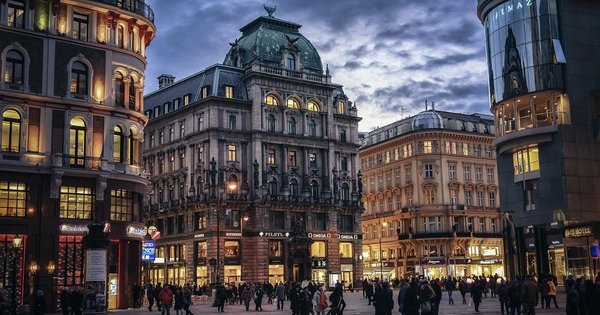
Vienna doesn’t have a single, obvious “gayborhood” in the way some cities do, and that’s mostly a good sign — queer life here isn’t cornered off into one strip, it’s woven through the city’s inner districts. That said, the area around the Naschmarkt and the streets radiating off Wienzeile in the 4th and 5th districts have the highest concentration of queer-friendly cafes, bars, and everyday life, and it’s an easy, walkable base if you want proximity to nightlife without living directly on top of it. The Innere Stadt (1st district) puts you closest to everything touristy and central but costs more and feels quieter after dark. We’d lean toward the 4th, 6th, or 7th districts for the best mix of livability, transit access, and queer social life.
Getting online and getting work done
Vienna’s public wifi and mobile data infrastructure are solid across the board — this isn’t a city where you need to hunt for a reliable connection. Coworking options run from polished corporate-style spaces to smaller, community-feeling setups, with flexible desk memberships commonly available for roughly the price of a nice dinner out per week. If you’d rather work from cafes, the city’s coffeehouse culture — a UNESCO-recognized institution, not an exaggeration — means long stays with a single order are culturally normal rather than awkward. Bring headphones for calls; classic Viennese coffeehouses are not built for Zoom.
Cost of living sits in the moderate-for-Western-Europe range: noticeably more expensive than the Balkans cities that make up most of our usual rotation, comparable to or a bit below Amsterdam or Copenhagen, and considerably cheaper than London. Rent for a well-located short-term one-bedroom is the biggest line item; groceries, transit, and eating out are all reasonable by Western European standards.
The nightlife and the Pride scene
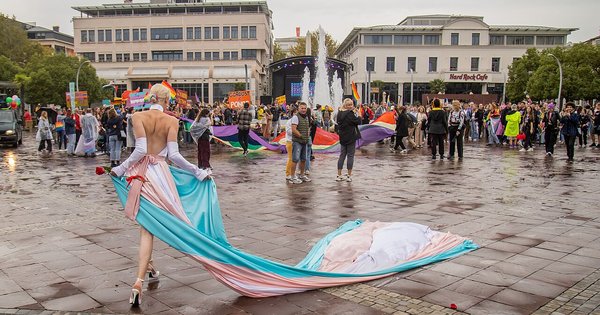
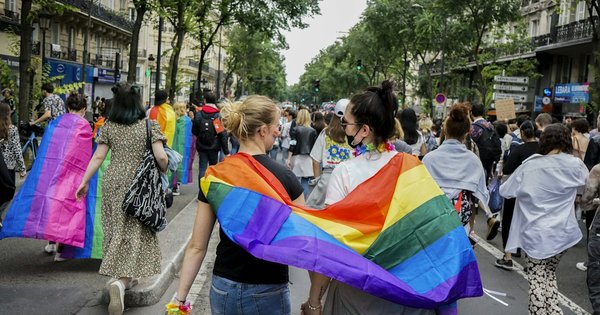
Vienna’s queer nightlife is genuinely good — a mix of long-running institutions and newer club nights, with enough variety that you’re not stuck choosing between the same two bars every weekend. The city’s Pride event, the Regenbogenparade, runs each summer down the Ringstrasse and draws a crowd that feels more like a citywide festival than a niche event, which tracks with how mainstream and unremarkable queer visibility generally feels here day to day.
That mainstream-ness is really the headline for Vienna. Austria’s legal protections for LGBTQ+ people are solid by regional standards — marriage equality has been in place for years, anti-discrimination protections are real — and the social experience of being visibly queer in Vienna reflects that. It’s not a city that requires the situational awareness we’ve had to build in parts of the Balkans. That doesn’t mean it’s without friction; like most of Western Europe, Austria has its own far-right political currents to watch. But day to day, holding hands on the street or being an obviously queer couple at a restaurant isn’t something we had to think twice about here.
Our bottom line
Vienna works best as a Schengen-rotation stop rather than a long-term home base, purely because of the visa math — but for however long you get, it delivers reliable infrastructure, real queer nightlife, walkable neighborhoods, and a level of day-to-day ease that made it one of the more restful legs of our own itinerary. If you’re building a European rotation and want a stretch where nothing needs to be a project, Vienna earns its spot.