We mentioned Nicosia in passing when we wrote about basing ourselves in Larnaca — we said the island’s real LGBTQ+ community and nightlife live in the capital, and that we’d spent time there too. We’ve been meaning to give it a proper writeup ever since, so here it is: what Nicosia is actually like for queer travelers, beyond the day-trip version.
A divided city, in more ways than one
Nicosia is the last divided capital in Europe, split by the UN-patrolled Green Line between the Republic of Cyprus in the south and the Turkish Cypriot-administered north. That division shapes everything about the city, including its queer life. Everything in this guide refers to the southern, Republic of Cyprus side, which is the EU member state and the side with any real LGBTQ+ infrastructure. The north operates under a different legal and social framework, and we’d steer queer travelers toward sticking to the south unless you have a specific reason and a clear sense of what you’re walking into.
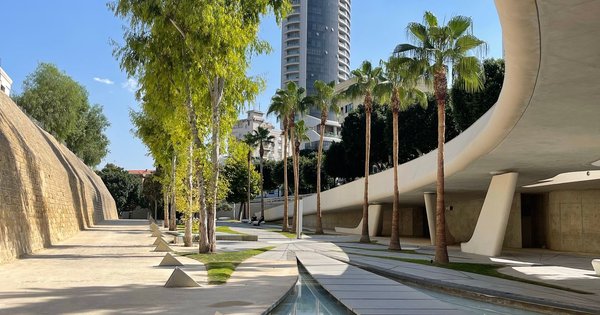
Within the south, Nicosia doesn’t look like a capital in the way Vienna or Athens does. It’s compact, walkable, and low-rise, centered on an Old Town still ringed by Venetian walls, with narrow lanes, small squares, and a lot of quiet corners that don’t announce themselves. It took us a beat to recalibrate our expectations — this isn’t a city that performs for visitors, and the queer scene is no exception.
Where the scene actually is
Cyprus’s LGBTQ+ nightlife is small islandwide, and Nicosia is where what exists is concentrated. Ithaki, a bar and nightclub in the city, is the closest thing to an institution — it draws an LGBTQ+ crowd on Friday and Saturday nights with a recurring “Think Outside The Box” queer night. There’s also a monthly drag night at DownTown Live, hosted by local performers, that’s become a reliable fixture for a night out with a cover charge in the €10 range. Beyond those anchors, the community leans on a rotating set of welcoming cafés and bars around the Old Town, more word-of-mouth than signposted — ask around once you’re there, because venues in a scene this size change hands and nights more often than in a bigger city.
None of this is a “gayborhood” in the Chueca or Le Marais sense. It’s a handful of nights and venues that the community shows up for, which is honestly a pretty accurate summary of queer nightlife across the Balkans and much of the Eastern Mediterranean. If you go in expecting Berlin, you’ll be disappointed. If you go in expecting a real, if modest, community that’s genuinely glad to see you, you’ll have a good time.
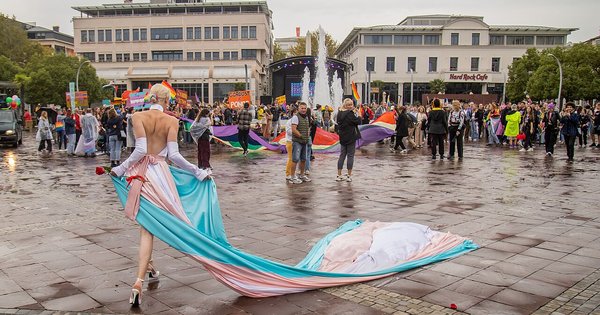
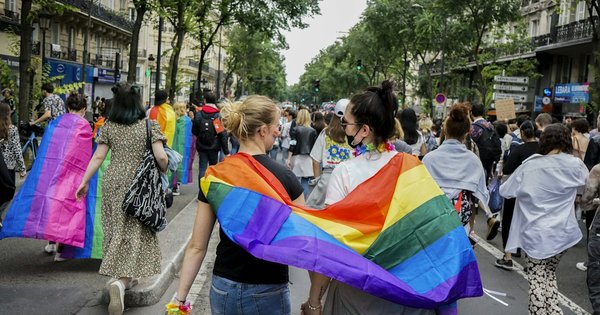
The other thing worth building a trip around is Cyprus Pride, held each spring in Nicosia — the island’s main Pride event and the moment the community is most visible, both to itself and to the wider city.
The legal and social picture
Cyprus recognized civil unions in 2015, which cover many of the practical rights of marriage, but the country still has no marriage equality and no joint adoption for same-sex couples. Conversion therapy was banned in 2023, a genuine and relatively recent win. On ILGA-Europe’s Rainbow Map, Cyprus sits closer to the bottom of the EU pack than the top, and a long-promised national LGBT strategy has reportedly been “in its final stages” for years without actually landing — a coalition of two dozen-plus diplomatic missions in Nicosia publicly pushed the government to finally adopt it while Cyprus held the EU Council presidency.
Day to day, Nicosia felt comfortable to us as a couple, if quieter and less overtly affectionate in public than you’d find in Barcelona or Amsterdam. Cyprus is a socially conservative place in a lot of respects, and the capital is no exception, even with its nightlife pocket. We never felt unsafe, but we also didn’t hold hands walking through the Old Town the way we would elsewhere — that’s a judgment call every traveler should make for themselves based on how visible they want to be.
Practical notes
Nicosia doesn’t have its own international airport — you’ll fly into Larnaca or Paphos and drive in, about 45 minutes from Larnaca on a straightforward highway. Cyprus is in the EU but not in the Schengen zone, so time there doesn’t count against your Schengen clock, which is worth knowing if you’re juggling that across a longer European rotation. English is widely spoken, the euro is the currency, and a rental car makes exploring the rest of the island — Larnaca, Limassol, the Troodos mountains — far easier than relying on Cyprus’s thin public transit network.
Spring is the best time to go if you want to catch Cyprus Pride alongside milder weather; summer in Nicosia, inland and away from any sea breeze, runs hotter than the coast.
Would we send a friend here?
Yes — paired with a few days somewhere calmer on the coast, exactly the way we did it. Nicosia is where Cyprus’s queer community actually gathers, and it’s worth experiencing even though the scene is modest by European capital standards. Go in with realistic expectations, respect the legal and social landscape as it actually is rather than as you’d wish it to be, and you’ll find a small, warm community that’s easy to underestimate from the outside.
This guide is based on our own time in Nicosia during our years based in Cyprus. Legal and rights information reflects ILGA-Europe’s 2026 Rainbow Map and current Cypriot law.