Málaga was one of the first stops on our very first big trip together, back in 2015, years before we became full-time nomads. We landed expecting a beach town people pass through on their way to somewhere else — and left surprised by how much queer life was quietly packed into a compact, walkable old city. It’s not a gay capital the way Barcelona or Madrid are. That’s exactly what we liked about it.
The gay neighborhood: Plaza de la Merced and Calle Cervantes
Málaga’s LGBTQ+ scene is centered a few blocks north of the cathedral, around Plaza de la Merced and the streets that fan out from it, especially Calle Cervantes. It’s a small, densely packed cluster of bars rather than a sprawling gay district, which means an evening out tends to turn into bumping into the same friendly faces two or three times before midnight. Spain’s easy, unhurried relationship with queerness is on full display here — nobody’s performing tolerance for tourists, because there’s no one left to perform for. It’s just how the neighborhood works.
Locals sometimes call the wider area Soho, a reclaimed industrial pocket near the port that’s leaned into street art and a younger, more mixed crowd over the years. We remember it as the kind of place where a gay bar and a regular tapas spot sit next to each other with zero friction — which, after certain stretches of a nomad life spent in places where that’s not a given, is worth appreciating rather than taking for granted.
Beach, not brunch
If Málaga has a signature queer social ritual, it’s not a bar crawl — it’s La Malagueta, the city beach that runs along the waterfront just past the port. On a warm afternoon it fills with a genuinely mixed crowd, queer couples included, without any sense that one stretch of sand belongs to one group and another to someone else. It’s a good corrective to the idea that a destination needs a dedicated “gay beach” to be a welcoming one. Sometimes the whole beach just works.
That’s really the throughline of Málaga as a queer destination: nothing about it is built specifically for LGBTQ+ visitors, and it doesn’t need to be. Spain’s national comfort with queer life — marriage equality since 2005, a culture where holding your partner’s hand in public draws no particular attention — means a city doesn’t have to construct an elaborate gay infrastructure to feel safe. Málaga just absorbs you into whatever it already is, which turned out to be one of the more relaxing travel experiences either of us had that year.
When to go
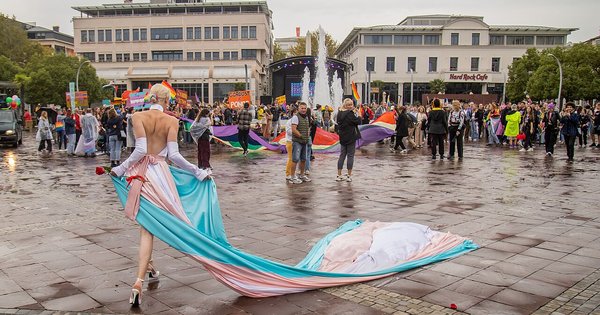
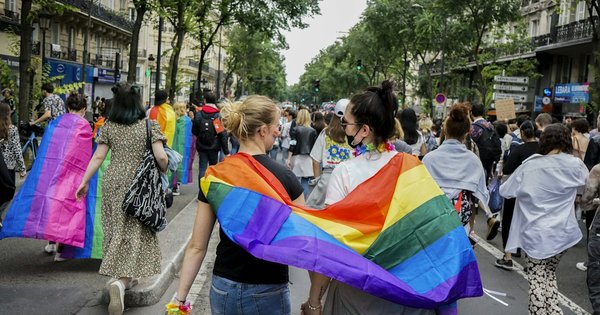
Andalusia does Pride season properly. Torremolinos, less than half an hour down the coast, throws one of Spain’s biggest Pride celebrations — a multi-day festival drawing tens of thousands each late May into early June — and Málaga’s own Pride march, a more compact evening affair through the city center along Calle Larios, typically follows in late June. Either makes a good excuse to time a visit, though we’d argue the shoulder seasons — April, or September into October — are when Málaga is at its best: warm enough for the beach, cool enough to actually enjoy wandering the old town without wilting.
The honest caveat
It’s been years since we were last in Málaga, and cities change — bars close, neighborhoods shift, new spots open that we’ve never set foot in. We’re due for a return visit, and when we make it, we’ll update this with what’s new. But the fundamentals that made us fall for the city — a compact, unpretentious gay scene, a beach that doesn’t segregate itself, and a country whose legal and cultural comfort with queer life the U.S. still hasn’t caught up to — aren’t the kind of thing that tends to disappear in a decade. If you’re building out a Spain itinerary and default straight to Barcelona, it’s worth carving out two or three days for Málaga instead. It rewards the detour.