We’ll be upfront: Belgrade is one Balkan capital we haven’t lived in yet. So consider this a researched guide rather than a diary — drawn from what local organizers, queer travelers, and Serbian LGBTQ+ groups report, and cross-checked against what we’ve found ourselves in cities with a similar feel, like Sofia and Podgorica. If you’re the kind of traveler who likes the honest version rather than the glossy one, read on.
The lay of the land
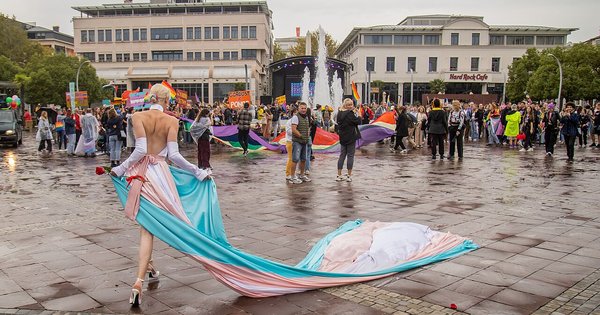
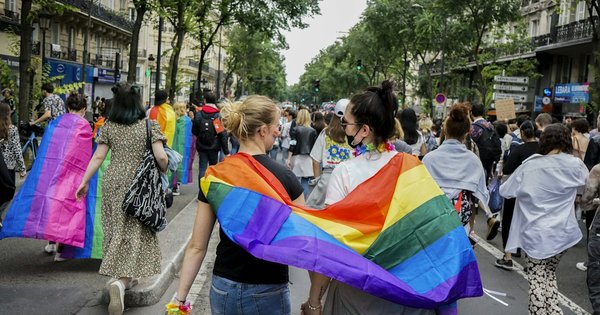
Belgrade is the undisputed center of LGBTQ+ life in Serbia, and it isn’t close. The city carries a long history of underground queer culture stretching back to the Yugoslav era, and in 2026 that culture is increasingly surfacing into public life rather than hiding beneath it. Belgrade Pride today is a genuinely festive week — a parade through the city center, cultural programming, parties, film screenings, and panels — and government ministers and the mayor have taken to attending. (For 2026, Pride week runs from the end of August into early September, if you want to time a visit around it.)
That said, Serbia is a country where legal progress has outpaced social change. Same-sex partnership recognition still isn’t law, despite years of advocacy, and a proposed gender identity law remains stalled. So the vibe is a real, lively scene operating inside a society that hasn’t fully caught up to it. Both things are true at once.
Where to base yourself
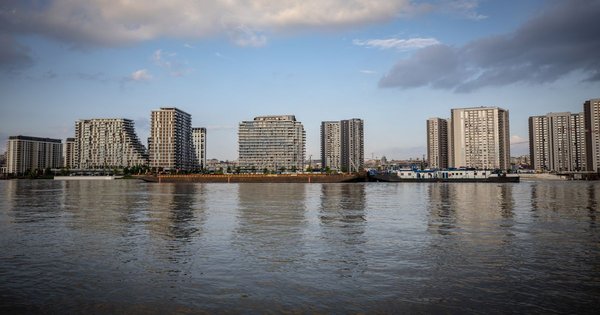
The most comfortable neighborhoods for queer visitors cluster in and around the center. Stari Grad (the old town) puts you within walking distance of most venues and the riverfront. Dorćol, just northeast, is the artsy, cafe-heavy district where a lot of queer-friendly nightlife lives. Vračar and Savski Venac are central, walkable, generally well-policed residential-and-cultural areas that make an easy base. These are the parts of town where queer life runs most openly.
Reserve a little extra awareness for the outer, more residential neighborhoods. Holding hands or a quick kiss near the waterfront or in tourist-heavy central areas is unlikely to cause trouble, but the same gesture can attract stares or comments further out. It’s the familiar Balkan-capital calculus we know from elsewhere: the center is your friend.
Nightlife and community
Belgrade has actual gay bars, regular LGBTQ+ parties that move between venues, and at least one active sauna (RED Line, in the center). The party scene leans toward the pop-up and event-driven model common across the region — the best nights aren’t always at a fixed address, so it pays to check current listings, the Belgrade Pride organization’s channels, and local Instagram accounts once you’re on the ground rather than relying on a static list. Serbian queer nightlife has a warmth and intensity to it that rewards showing up and talking to people.
Beyond nightlife, Belgrade’s queer community is organized and visible in a way that’s genuinely impressive given the headwinds. Pride Info Centers, activist organizations, and cultural events give the city a civic infrastructure that many larger Western capitals would envy.
Safety, honestly
Here’s the part worth being clear-eyed about. Belgrade is a city where you can have a genuinely good time as a queer traveler, provided you go in with realistic expectations. The threats are not everywhere and not constant, but they’re real enough to plan around.
Recent incidents underline the point. In early 2025, two LGBTQ+ people in Belgrade reported police brutality during an apartment search, an episode that drew hundreds of activists into the streets in protest. Serbia’s Interior Ministry announced an investigation, but the case reflects an ongoing inconsistency in how authorities treat LGBTQ+ people. Our practical read: stick to central, well-trafficked areas at night, use registered taxis or ride apps rather than street cabs, keep public displays of affection to the more relaxed central zones, and know that the community itself is your best real-time source on which venues and nights are safe right now.
Should you go?
Yes — with your eyes open. Belgrade offers something the polished Western Pride circuit often can’t: a queer scene that still feels like it’s being built in real time, in a society actively arguing with itself about LGBTQ+ rights. It’s the same quality that drew us to the Balkans in the first place. Come for the nightlife and the riverfront, stay for the sense that you’re seeing a community claim public space year by year — and give a little back by spending your money at queer-owned and queer-friendly spots while you’re there.