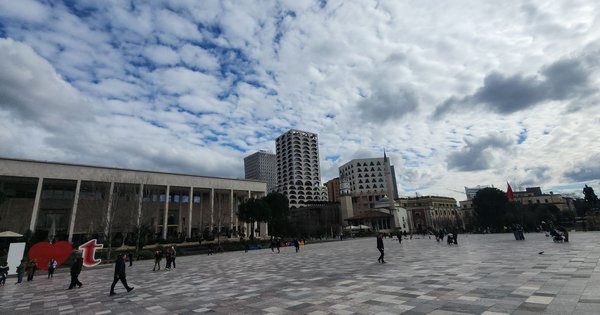
We keep coming back to Tirana. Over the past few years it’s been our home base for months at a stretch, and every time we land at Rinas and take the road into the city, it feels a little more built-up, a little more caffeinated, a little more sure of itself. If you’re a queer digital nomad weighing Albania’s capital as a place to actually live and work — not just pass through — this is the guide we wish we’d had, written from the inside.
The honest headline
Let’s be clear-eyed up front, because we owe you that. Albania has no legal recognition of same-sex partnerships, no marriage, and no gender-recognition framework. On paper, the country lags most of Europe. But there’s a wide gap between the law and the lived experience in Tirana specifically, which is a genuinely relaxed, cosmopolitan city where we’ve felt comfortable and safe day to day. Anti-discrimination law does exist and has since 2010, covering sexual orientation and gender identity. The catch is that progressive, visible queer life is largely concentrated in the capital; it thins out fast once you leave. As a couple, we’re low-key in public the way we’d be in a lot of places — no drama, just reading the room — and Tirana has consistently rewarded that with ease rather than tension.
Working: wifi, cafés, and the Blloku rhythm
The practical stuff is where Tirana genuinely shines. Internet is fast and cheap; fiber is widespread in the center and we’ve had no trouble running video calls all day. We keep a local SIM for mobile data as backup, which costs next to nothing.
The city runs on café culture, and that’s a remote worker’s dream. Blloku — once the sealed-off neighborhood reserved for communist elites, now the beating heart of Tirana’s nightlife and coffee scene — is where we spend most of our working hours. The espresso is excellent and absurdly cheap, and nobody rushes you out of your seat. There’s a growing set of proper coworking spaces too if you want a desk, a meeting room, and a community, which is worth it if you’re staying more than a few weeks and want to meet people beyond your laptop.
A note on the daily texture: Tirana keeps late hours. Mornings are quiet, the city fills up in the afternoon, and dinner starts late. If you’re on U.S. hours it lines up beautifully; on Asia-Pacific hours, less so. We’ve found the CET timezone ideal for European clients and manageable for the American East Coast.
What it costs
Tirana remains one of the best value-for-money bases in Europe, though prices have crept up as more people have discovered it. A comfortable furnished one-bedroom in or near Blloku runs well below what you’d pay in Western Europe, and if you go a little further from the center it drops further still. Eating out is cheap and genuinely good — Albanian food is underrated, the produce is fantastic, and a long lunch with wine won’t dent your budget. Between rent, food, coffee, and getting around, we’ve consistently found Tirana lets us live well for a fraction of what the same lifestyle costs in Barcelona or Amsterdam.
On visas: for many nationalities, Albania is unusually generous — U.S. citizens, for example, can stay a full year visa-free, which is part of why it’s such a natural base for nomads doing the Schengen shuffle. It’s a place you can plant yourself for real months without the border-run stress that defines so much of European nomad life. Always check your own passport’s terms, but the Albania math is often the friendliest on the continent.
Queer life on the ground
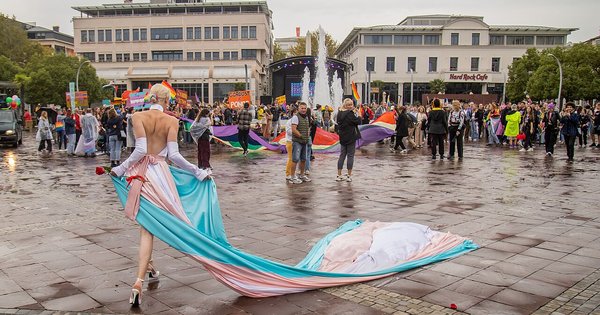
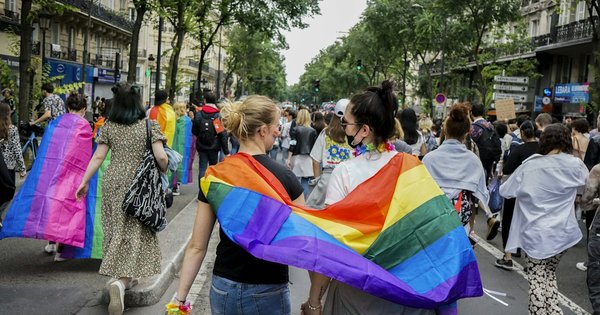
Tirana’s out-and-open queer scene is small but real, and warmer than its size suggests. Organizations like the ones behind Tirana Pride have built a steady community presence, and Pride itself — held in spring — has grown into a genuine, if still modest, event. There isn’t a big cluster of dedicated gay bars the way there is in Western capitals; the scene is more woven into Blloku’s general nightlife and a handful of welcoming spots that regulars know. Apps work fine for meeting people, with the usual discretion you’d expect anywhere the broader culture is still catching up.
What we’d tell a friend thinking about coming: Tirana is not Berlin or Madrid, and it doesn’t pretend to be. It’s a city where queer life is quieter and more personal, where the warmth comes from individual people rather than institutions, and where you trade a big visible scene for low costs, easy visas, great coffee, and a front-row seat to a country changing fast. For us, that trade has been more than worth it — enough that we keep coming back.
Sources: ILGA database: Albania, Equaldex: Albania, and our own time living in Tirana.