Florence wasn’t on our original list when we started this rotation — Italy usually meant Rome or Milan in our heads, the way it does for most people planning a trip there. But a stretch of weeks in Tuscany, working out of Florence with a side trip up the coast to Viareggio, ended up being one of the more grounding chapters of our time in Italy. It’s a smaller, denser city than either of the big two, and that changes almost everything about what it’s like to actually live there instead of just visit.
The visa reality
Italy is a full Schengen member, so any stay counts against the standard 90-days-in-any-180-day Schengen allowance for US passport holders and most other non-EU nomads. There’s no separate Italian digital nomad visa in the way some other EU countries have started offering — Italy did introduce a nomad visa track aimed at highly skilled remote workers with minimum income thresholds, but for most people rotating through on short stays, you’re simply working within your Schengen days like everywhere else in the zone. If you’re stacking Italy against other stops on a longer European rotation, run the math on your Schengen clock before you book — it’s the single most common thing that trips up nomads moving through this region.
What Florence actually feels like day to day
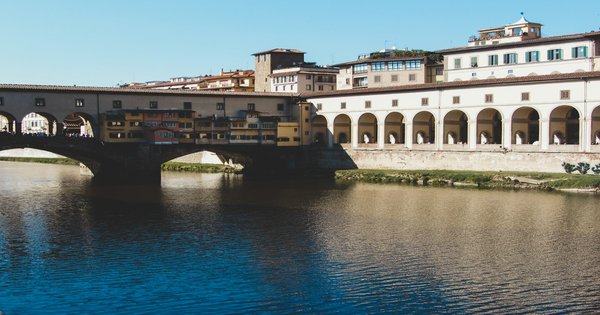
Florence is walkable in a way that changes your relationship to a city. The historic center is compact enough that you can cross most of it on foot in twenty minutes, which meant far less time lost to transit than in bigger Italian cities. The tourist density in the center — around the Duomo, the Uffizi, Ponte Vecchio — is real and can be overwhelming during peak season, but it thins out fast once you’re a few streets back, especially across the river in the Oltrarno, which felt more like an actual neighborhood than a postcard.
Internet infrastructure is solid by Italian standards, though “solid by Italian standards” is a real qualifier — connectivity and reliability in general are a step behind what we found in Northern Europe or the Balkans’ newer coworking hubs. Cafes with genuinely fast, stable wifi and an unspoken tolerance for laptop squatters exist but take some scouting, and a proper coworking membership is the more dependable option if your work depends on video calls.
Cost of living
Florence isn’t a budget stop the way parts of the Balkans or even Porto have been for us. Tuscany’s popularity with tourists and second-home buyers pushes housing costs up, especially anywhere near the historic center, and that pressure shows up in restaurant and grocery prices too. It’s still meaningfully cheaper than Rome’s tourist core or most of Northern Italy, but nomads coming from Southeast Europe or the cheaper end of the Balkans should expect a real step up in day-to-day spending, particularly on housing.
The community and the politics
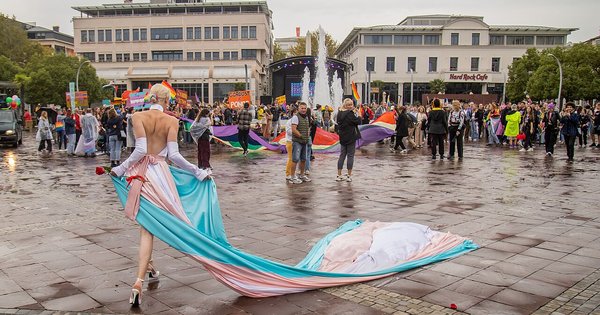
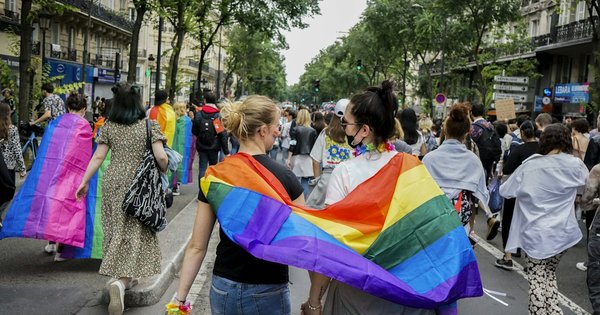
Florence and Tuscany more broadly sit in one of Italy’s more socially liberal regions, and that showed in ordinary interactions — we didn’t feel the need to perform straightness the way discretion sometimes demands elsewhere. That said, Italy’s national legal framework hasn’t caught up with that local ease: the country still has no marriage equality and no joint adoption rights for same-sex couples, running only on civil unions passed back in 2016, and Giorgia Meloni’s government has actively worked to narrow parental recognition for same-sex families rather than expand it. Florence’s queer scene is real but modest in scale compared to Milan or Rome — a handful of bars and a visible presence at Florence’s own Pride march, but not the density of options you’d find in a larger city.
Getting out to the coast
Viareggio, on the Tuscan coast about an hour and a half from Florence by train, is worth knowing about if you want a break from the museum-city intensity of central Florence — a beach town with its own long-running Carnival tradition and a more laid-back, seasonal rhythm. We wouldn’t base a full nomad stay there the way we would in Florence, but it’s an easy day trip or weekend reset if you need to get out of the historic center for a while.
Our bottom line
Florence rewarded slowing down more than most Italian stops we’ve made. It’s not the cheapest base in our rotation, and its queer nightlife scene doesn’t compete with bigger cities, but the day-to-day texture of living there — the walkability, the food, the general social ease — made it a place we’d happily return to for another working stretch rather than just a weekend of sightseeing.