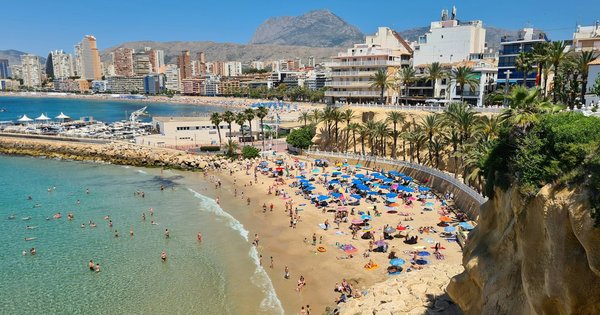
Benidorm doesn’t have the reputation of Sitges or Mykonos. It’s a package-holiday town on Spain’s Costa Blanca, built up through the 1960s and ’70s for sun-and-sangria tourism, best known internationally for high-rise apartment blocks and a British sitcom named after it. And yet this week, it’s hosting one of Europe’s largest Pride celebrations that almost nobody outside the LGBTQ+ travel circuit talks about.
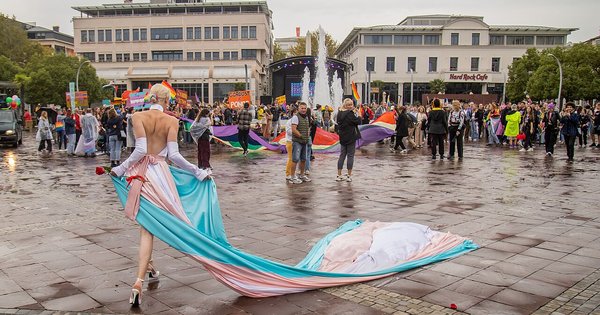
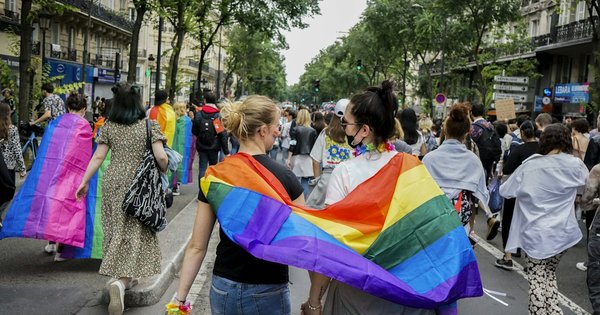
Benidorm Pride Festival runs September 1 through 6, with the main parade on Saturday, September 5, moving from the Rincón de Loix area along Levante Beach and through the Old Town before ending at an after-party at the Auditori Julio Iglesias. Organizers are expecting more than 30,000 people for what’s being billed as the 16th edition of the event — a number that would make it one of the largest single Pride gatherings on Spain’s Mediterranean coast outside Barcelona and Madrid.
Why Benidorm, of all places
The short answer is geography and infrastructure that happened to line up. Benidorm has more hotel beds per capita than almost any other city in Europe, a genuinely walkable old town with a dense cluster of gay bars and clubs, direct flights from a dozen-plus UK and northern European airports, and prices that undercut Ibiza or Mykonos by a wide margin. It’s also flat, warm nine months a year, and doesn’t require the multi-city logistics that a trip to somewhere like Barcelona Pride does.
What that’s built, over sixteen years, is a Pride event that functions less like a political march and more like a full week of programming: themed pool parties, drag shows, a foam party, a Mr and Miss Pride pageant, and club nights that run until sunrise across venues in the town’s compact gay district around Calle Santo Domingo. The Saturday parade itself is a proper street event — floats, sound trucks, community groups — but it sits inside a week that’s built around tourism revenue as much as visibility, which is part of why the destination draws such a heavily international, repeat-visitor crowd.
That mix — Spanish, British, Dutch, and German visitors showing up specifically because Benidorm has become a known quantity — is unusual. Most European Pride destinations draw overwhelmingly from their own country or region. Benidorm’s crowd is genuinely pan-European, arguably more so than any single-city Pride except WorldPride itself.
The Spain backdrop
None of this happens in a vacuum. Spain has topped or near-topped ILGA-Europe’s Rainbow Map — the continent’s most-cited ranking of LGBTI legal protections — for years, a legacy of the country’s comparatively early moves on marriage equality (2005), a 2023 trans self-ID law, and a national political culture where, unlike in several neighboring EU states, LGBTQ+ rights haven’t become a front-line culture-war issue for the governing coalition. That legal and cultural stability is a large part of why a resort town best known for cheap all-inclusive holidays could grow a Pride event of this size without much friction from local authorities: Benidorm’s town council actively markets the event as part of the city’s tourism calendar, not something it tolerates.
That’s a meaningfully different posture than what Pride organizers are navigating this same week in Belgrade, where September’s Pride Protest March is happening under heavy security and explicit alignment with anti-government street protests, or in parts of the Western Balkans, where Pride organizing still routinely draws counter-protests from far-right and religious groups. Benidorm Pride’s biggest operational concern this year is likely hotel capacity, not policing.
What it means for LGBTQ+ travelers
For anyone weighing where to spend a September Pride weekend in Europe, Benidorm’s pitch is specific: it’s cheap relative to Ibiza or Mykonos, it’s easy to reach from most of northern Europe, and it doesn’t require choosing between the parade and the party circuit — they’re blocks apart. It’s not going to replace Madrid Pride or WorldPride as a political statement, and it’s not trying to. What it offers instead is something rarer in the Pride calendar: a full week where a beach town built for mass tourism turns itself over, deliberately and profitably, to an LGBTQ+ crowd that keeps coming back.
Whether that’s the future of Pride tourism or just one resort town’s very good business decision, Benidorm’s sixteen straight years of growth suggest it’s working.