Correction (September 28, 2026): This article originally gave the march date as Saturday, September 6, and described a route via the Faculty of Law that avoided a blocked National Assembly. Those were details of the 2025 march. In fact, the 2026 march was on Saturday, September 5 (gathering at 4 p.m., stepping off at 5 p.m.), and its announced route ran from Manjež Park to the National Assembly and back.
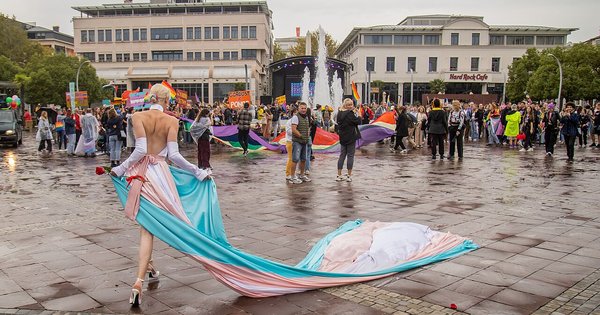
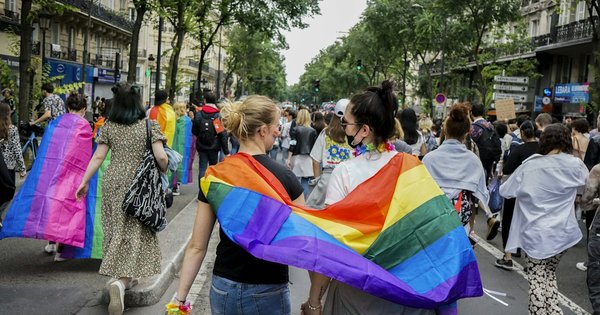
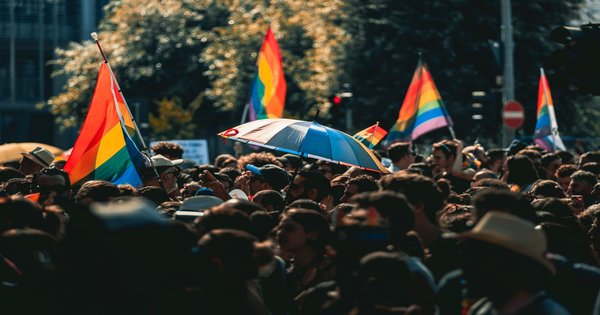
Belgrade Pride Week runs August 31 through September 6 this year, closing out with the Pride Protest March on Saturday, September 5, gathering at 4 p.m. in Manjež Park in the heart of the city and stepping off at 5 p.m. It’s a milestone edition — organizers are marking 25 years since Belgrade’s first, disastrous attempt at a Pride march in 2001, when a small group of marchers was violently attacked and the event was called off within minutes. The distance between that afternoon and this year’s officially permitted, police-protected march says a lot about how far — and how unevenly — LGBTQ+ visibility in Serbia has traveled.
What’s actually happening
Pride Week programming, organized by Belgrade Pride in partnership with the Youth Initiative for Human Rights and other local groups, runs the full week leading up to the march, with a published events schedule covering panels, film screenings, and community gatherings around the city. The march itself follows a route from Manjež Park along Nemanjina and Kneza Miloša streets, then Kralja Milana and Nikola Pašić Square to the National Assembly, before returning along Kneza Miloša and Nemanjina to Manjež Park, according to Belgrade Pride’s own announcement. Routes like this still have to be registered with the police and negotiated with the city each year — a reminder that even a Pride march with two decades of precedent behind it doesn’t get its exact shape for free.
The context that hasn’t gone away
Belgrade Pride’s modern era dates to 2010, when the march resumed after nearly a decade’s absence following the 2001 attack, only to be met again with serious rioting from far-right groups. The march was banned outright in 2011, 2012, and 2013 over “security concerns” before returning on a more stable footing from 2014 onward — the run organizers now point to when they describe Belgrade as having quietly become one of the more dependable Pride cities in the Balkans.
That stability is real, but it sits alongside a country where public attitudes toward LGBTQ+ visibility remain complicated. Surveys have consistently found that most Serbians are uncomfortable with LGBTQ+ people being publicly visible, hate crimes and hate speech persist — particularly outside the capital — and Serbia’s own former prime minister, Ana Brnabić, an openly lesbian woman who later became president of the National Assembly, has occupied an unusual position: a genuine symbol of visibility at the top of government in a country where that visibility hasn’t translated into broad legal protection. Serbia still has no law recognizing same-sex partnerships or marriage, despite years of promises and draft legislation that has repeatedly stalled.
Police protection at the march itself has become routine rather than a live political question each year, which is real progress from the 2010–2013 period. But that security presence is also a plain acknowledgment that the threat it’s protecting against — organized homophobic disruption — hasn’t disappeared, only been contained.
If you’re planning to go
Belgrade is an easy add-on to a Balkans itinerary, with direct flights from most major European hubs into Nikola Tesla Airport and a walkable city center where Pride Week’s panels and screenings mostly cluster. If you’re coming specifically for the march, plan to be at or near Manjež Park before 4 p.m. on September 5 — routes and access points around city center marches like this one tend to see rolling street closures in the hours beforehand. Outside of Pride Week itself, Belgrade’s queer nightlife runs quieter and more scattered than Zagreb’s or Ljubljana’s, worth knowing if you’re building a longer regional trip around it rather than a single weekend.
Twenty-five years on from a march that ended in violence within minutes, Belgrade Pride 2026 is, by design, a much less precarious event than its history might suggest. Whether that holds — and whether it eventually translates into the legal recognition Serbia’s LGBTQ+ community still doesn’t have — is the question organizers are still marching to answer.