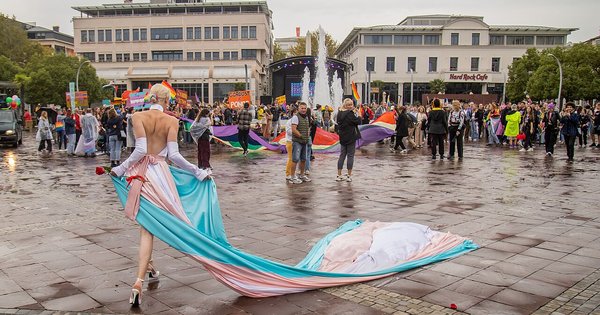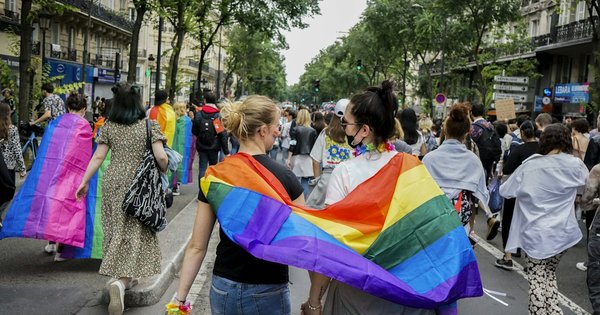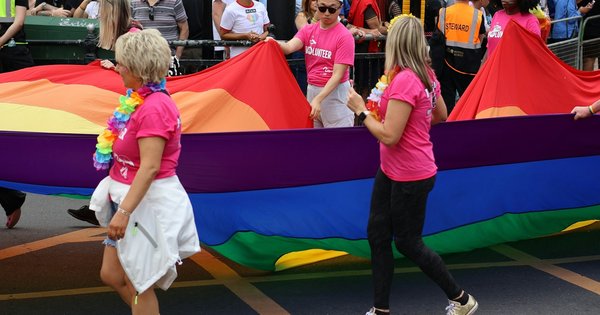
Antwerp Pride opens today, Wednesday, and runs through Sunday, August 9 — five days of concerts, panels, family programming, and, on Saturday, the parade that anchors the whole week. It is the festival’s nineteenth edition, and this year the organizing committee picked a theme that says less about celebration than about the mood going into it: Fearless.
That word arrived, organizers say, after months of conversations with LGBTQIA+ groups, volunteers, and activists ahead of the festival. One emotion kept surfacing in those conversations: fear. Rather than build a Pride around denying it, Antwerp Pride chose to build one around refusing to let it drive the agenda.
A theme built on what’s happening elsewhere — and closer to home
Antwerp Pride has been explicit about why. In presenting this year’s program, organizers pointed to what they call a global pattern of rights being rolled back: transgender rights restrictions in multiple countries, the dismantling of diversity policies, and the growing normalization of anti-LGBTQIA+ rhetoric. Their list of examples spans continents — Georgia’s anti-LGBTQ+ legislation, UK local authorities declining to support Pride events and the UK Supreme Court’s ruling narrowing the legal definition of “woman” to biological sex, tougher criminal penalties for same-sex relations adopted in Senegal, Ghana, Mali, and Burkina Faso, and the erosion of transgender legal protections in a number of U.S. states.
Belgium itself remains one of Europe’s most LGBTQ+-friendly countries by any legal measure — it was the second country in the world, after the Netherlands, to legalize same-sex marriage, in 2003. But Antwerp Pride organizers say the ground is shifting there too. They point to a new strain of conservatism they’ve observed among some younger residents, and to transgender Belgians who still face discrimination in employment, housing, and education despite strong legal protections on paper. The numbers back up the concern: Belgium’s equality body Unia received 311 reports of discrimination and violence against LGBTQIA+ people over the past year, while the helpline Lumi has logged a rising volume of calls related to mental health, violence, and discrimination. Antwerp Pride estimates that only around 14% of people who experience anti-LGBTQ+ hate ever report it to police — meaning the real scale of the problem is almost certainly larger than the official figures suggest.
“Fearless doesn’t mean the absence of fear,” Antwerp Pride chairman Geert Van Praet has said of the theme, framing it instead as a refusal to let fear determine how people live, love, or show up. Pride, in his description, remains a place where people make themselves visible, speak out, and defend both their own rights and the rights of the generation coming up behind them.
What the week looks like
The festival opened Wednesday evening with Opening Night at the Open-Air Theatre in Rivierenhof, run on a pay-what-you-can basis to keep the night accessible regardless of budget. Thursday brings the fifth-anniversary edition of Inclusion Day, a business-focused program on building genuinely inclusive workplaces, alongside an evening concert on the Scheldt Quays whose proceeds fund the free Pride weekend. Friday’s Queer Families in Town — now in its second year — is built specifically for rainbow families, with a children’s disco, workshops, and storytelling for kids alongside their parents and grandparents; the evening continues with Pride in Town, a program of performances and discussion built directly around the Fearless theme, including a new poem on inclusion commissioned for the occasion.
Saturday is the centerpiece: the Pride Parade steps off from Hessenplein at 2 p.m., following the river before turning inland toward the festival grounds at Cockerillkaai, where the free Love United Festival picks up the rest of the day and evening across two stages. New this year, Antwerp’s visual arts community is joining the parade as an organized delegation for the first time, with local artist Clara Lissens contributing a large-scale artwork built around the festival’s theme. A “Change Station” at Antwerp-Central station — run with Belgian rail operator NMBS/SNCB and the volunteer group Trainbow Belgium — gives parade-goers a safe, practical space to change and prepare before heading out. The week closes Sunday with a free Closing Festival, also at Cockerillkaai.
Beyond the official program, bars, clubs, museums, and community spaces across Antwerp run their own Pride-adjacent events all week, and the city has said landmarks will again be lit in rainbow colors through the weekend.
The bigger picture
What makes Antwerp Pride worth watching this year isn’t just the size of it — it’s the honesty of the framing. Most Pride festivals lead with celebration and treat the political backdrop as an undertone. Antwerp Pride 2026 puts the backdrop in the headline. That’s a reasonable read of where things stand across much of Europe right now: legal ground that looked settled a few years ago is being contested again, in courtrooms and legislatures from London to Bucharest, and even in countries with strong protections on the books, day-to-day discrimination hasn’t gone away.
None of that erases what Antwerp still gets right. It remains a city with a five-decade Pride tradition — the first parade dates to 1979 — deep institutional support, and a festival that, this week, will draw tens of thousands of people to a riverside party that costs nothing to attend. Fear was the word organizers heard most often in the run-up to this Pride. Refusing to be run by it is the point of the whole week.