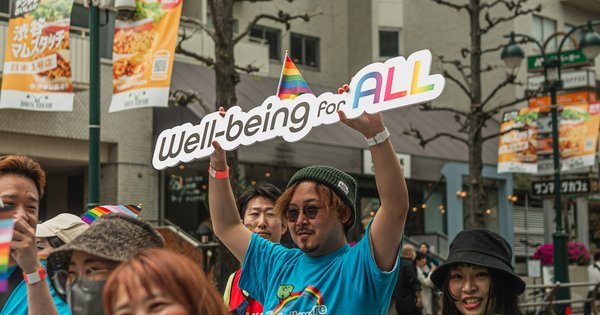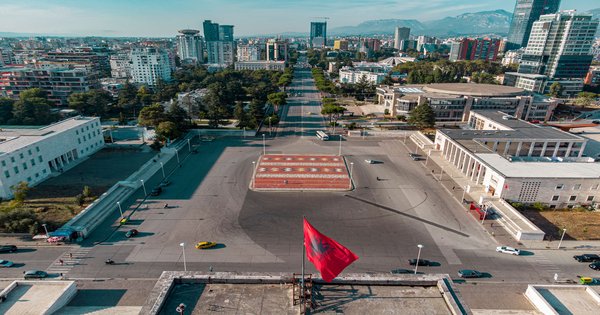
Every May, when Tirana Pride steps off from Dëshmorët e Kombit Boulevard, it’s easy to see the march itself — the flags, the crowd, the diplomats and embassy staff who now show up in numbers that would have been unthinkable a decade ago — and not see the person who built the organization behind it. That’s Xheni Karaj, co-founder and executive director of Aleanca LGBT, and by most honest accounts the single person most responsible for the fact that Albania has an LGBTQ+ rights movement at all in the form it takes today.
An unplanned coming out, live on television
Karaj, who grew up in Tirana and studied psychology at the University of Tirana, didn’t set out to become the public face of Albanian LGBTQ+ advocacy. In May 2012, she was a guest on TV Klan’s political debate program “Opinion” when a fellow panelist, the political figure Murat Basha, made inflammatory remarks about gay people on air. Karaj came out on the spot, in response, in front of a national audience. She later described Basha’s language as “completely unacceptable” — a matter-of-fact assessment of the moment that changed the direction of her life.
That same month, she helped organize Albania’s first Pride march, which has run every year since. It’s a striking bit of timing: the country’s LGBTQ+ movement and its most visible advocate went public in the same few weeks, in the same city, largely because one forced the other into being.
Building the infrastructure, not just the moment
What separates Karaj from a viral coming-out story is what she did next. Alongside fellow activist Kristi Pinderi, she built Aleanca LGBT into the organization that now anchors LGBTQ+ life in Albania — not just Pride, but the year-round work that a march can’t do on its own.
That includes STREHA, the first residential shelter for homeless LGBTQ+ youth in the region, built to catch young people rejected by their families with nowhere else to go — a need that exists in Albania as it does everywhere, but that had no dedicated response until Karaj and her colleagues built one. It includes “Think Politically,” an initiative that forced Albanian political parties to state public positions on LGBTQ+ issues for what organizers say was the first time in the country’s history, dragging the topic out of the margins of political discourse and into candidate platforms. And it includes “SkaNdal,” a documentary Karaj co-authored chronicling the movement’s own history — a deliberate act of record-keeping in a country where that history could otherwise have gone undocumented.
In 2022, the Civil Rights Defenders named her their Person of the Year for this body of work, recognizing both the shelter and the broader push to move LGBTQ+ rights from a fringe topic to one mainstream parties feel obligated to answer for.
The cost of visibility
None of this has come without risk. Karaj is enrolled in the Natalia Project, a security initiative that equips human rights defenders working in hostile environments with emergency-response bracelets — the kind of precaution that speaks plainly to the threat level attached to being Albania’s most visible gay activist, even as the country’s overall trajectory on LGBTQ+ rights has been trending upward.
That upward trend — the 2025 Gender Equality Law, the growing diplomatic presence at Tirana Pride, Albania’s EU accession process putting real pressure on rights reforms — didn’t happen by accident. It happened because organizations like Aleanca LGBT spent over a decade doing the unglamorous work of building shelters, pressuring politicians, and keeping the community’s own history alive, largely under the direction of a woman who never planned to become a public figure in the first place.
For anyone who’s walked through Blloku during Pride season and clocked how normal it now feels, Karaj’s name is worth knowing. The relaxed atmosphere didn’t arrive on its own — it was built, deliberately, by people willing to absorb the risk of being first.
Sources: Wikipedia; Balkan Insight; Exit.al.