It’s the question we get more than any other, from readers and from friends back home: is Albania actually safe for you two? We’ve been asked it in Tirana taxis, in Facebook comments, and once, memorably, by a very concerned relative who’d read one too many outdated blog posts. We’ve spent four to six months a year in Albania since 2022 — mostly in Tirana, with stretches in Sarandë on the coast and Durrës just down the road — so we figure we owe people a real answer instead of a reassuring soundbite.
The honest one is: it’s more complicated, and in some ways better, than either the alarmist takes or the tourism-board version suggest.
Legally, Albania is further along than most people assume. Same-sex sexual activity has been legal since the 1990s, and the country has anti-discrimination protections on paper. Parliament passed a landmark gender equality law in 2025 that, at least in its original form, explicitly named gender identity and sexual characteristics as protected categories — part of a broader push tied to Albania’s EU accession process, which has made LGBTQ+ rights an actual bargaining chip rather than an afterthought. We’ve watched that process up close: Brussels keeps handing Tirana a checklist, and slowly, unevenly, Tirana keeps checking things off, in no small part because EU membership matters more to most Albanians than any culture-war argument does.
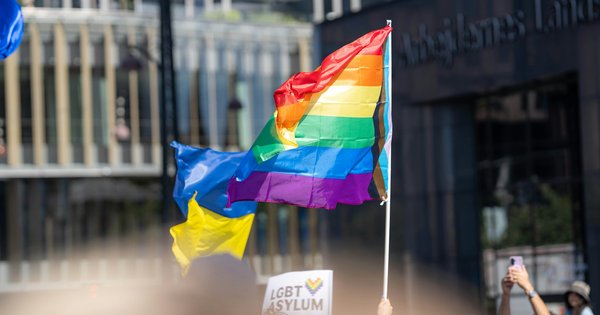
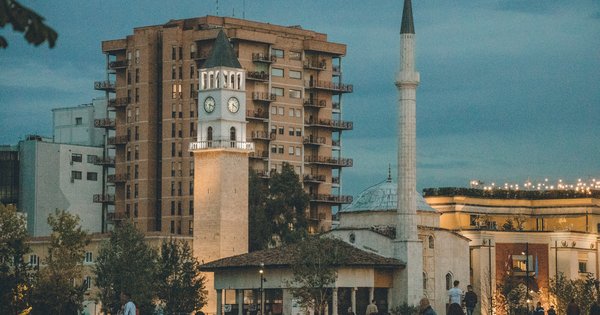
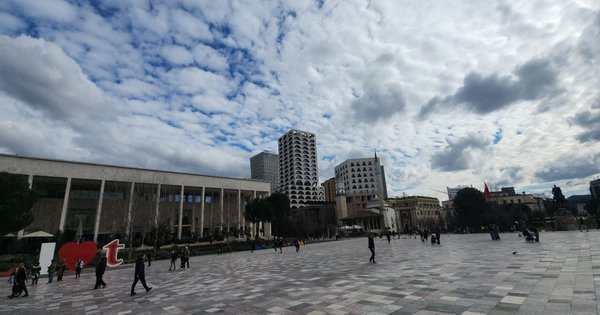
That said, “legal” and “comfortable” are different things, and the gap between them is where we actually live. Tirana is a genuinely easy, modern, walkable capital, and the Blloku district — once the sealed-off enclave where Communist-era officials lived — is now full of the kind of specialty coffee shops and wine bars that could be in Lisbon or Athens. We’ve never been harassed there. We’ve held hands on the street more times than we can count without a second look. Tirana Pride happens every year now, openly, with a police presence that’s there to protect marchers rather than intimidate them — a genuine shift from where things stood even a decade ago, and one that groups like Xheni Karaj’s Aleanca LGBT have spent years fighting for.
But Tirana isn’t Albania, any more than a rainbow flag on a government building means the fight is over. Step outside the capital’s small progressive bubble and the picture gets more traditional fast. Albania remains a deeply Catholic and Muslim country in different regions, with strong family-oriented social norms, and public displays of affection between men in particular can draw stares in smaller towns in a way they simply don’t in Blloku. We noticed it more in Sarandë, a resort town that’s cosmopolitan in July and August and much more conservative the rest of the year, and in Durrës, where day-to-day life feels closer to the Albania that existed before the EU accession conversation started. We’ve never felt physically unsafe in either place. We have felt, at times, like it was smarter to be a little less visibly a couple than we’d be back home — the low-grade calculation a lot of LGBTQ+ travelers will recognize instantly, and a lot of straight travelers never have to make at all.
There are real gaps that no amount of Blloku wine bars fixes. Albania still has no legal process for trans people to change their name or gender marker on official documents. A 2026 government order finally authorized hormone therapy access for transgender adults for the first time — a genuinely significant step — but the community says it was rolled out with almost no public communication, leaving people unsure how to actually access it. And this year, opponents of the gender equality law gathered enough signatures to force a referendum threatening to repeal it outright, a reminder that legal progress here can be undone as fast as it’s won.
So: is Albania safe for a gay couple? Mostly, yes — more than we expected when we first landed in Tirana in 2022, and more than most people back home assume. Is it uncomplicated? No. It’s a country in the middle of deciding what kind of place it wants to be, with a capital that’s racing ahead of its small towns and a government that’s more motivated by Brussels than by conviction. We keep coming back anyway, because the parts that work — the food, the coastline, the openness we’ve found in Tirana specifically — genuinely work. We just don’t pretend the whole country has caught up yet.