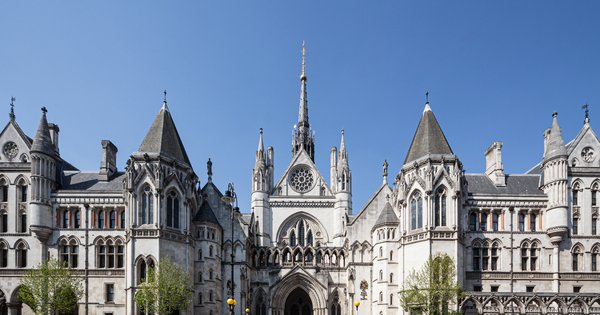
England’s High Court has rejected a legal challenge that sought to block a new clinical trial giving puberty blockers to transgender children as young as 11, clearing the way for the NHS-backed research — known as the Pathways trial — to proceed after proceedings that began on July 27.
The ruling matters because of what’s been off the table until now. Since 2024, puberty blockers for gender dysphoria have been unavailable to minors in England outside of clinical trials, following a ban imposed after the Cass Review’s findings on the weakness of the evidence base for the treatment. Pathways is the trial that was always meant to fill that gap — a way to keep gathering evidence under controlled conditions rather than leaving trans youth with no legal pathway to the treatment at all. Campaigners who brought the challenge argued the trial itself was unsafe and pushed for it to be halted before it could start; the court disagreed, finding no legal basis to stop it from going ahead.
The judgment doesn’t settle the broader argument over puberty blockers, which has run for years in the UK and shows no sign of cooling. Supporters of the trial, including clinicians involved in its design, say it’s the responsible way to answer open clinical questions that the Cass Review identified — better data, gathered prospectively, rather than continuing to operate on inference from older, messier evidence. Groups that brought the legal challenge, along with the individuals and organizations that have pushed for the blanket ban to stay in place, framed the ruling as a setback and signaled they see the safety questions as unresolved regardless of what a court decides about the trial’s legality.
For trans children and their families in England, the near-term practical change is narrow but real: a route to puberty blockers exists again, for those who qualify for and consent to enter the trial, where none existed since the ban took full effect. It is not a return to the pre-2024 status quo — access is limited to trial participants under research protocols, not a standing clinical option available on request. Families who have spent recent years navigating a system with no legal medical pathway at all for this specific treatment will now be watching for details on eligibility, trial sites, and timelines as Pathways moves from cleared-to-proceed toward actually enrolling patients.
The UK’s fight over youth gender healthcare has been closely watched well beyond its borders, in part because the Cass Review and the subsequent ban were cited by lawmakers and campaigners in other countries — including in the United States — as justification for their own restrictions. Whatever data Pathways eventually produces is likely to get the same level of international attention the original ban did, feeding directly back into debates far outside England.
No trial start date has been publicly confirmed following the ruling. NHS England and the researchers running Pathways are expected to provide further detail on enrollment as the trial moves into its next phase.
Pathways sits inside a broader NHS overhaul of youth gender services that followed the Cass Review, including the closure of the old Gender Identity Development Service and its replacement with regional NHS clinics operating under more conservative treatment protocols. Wait times for those regional clinics have drawn their own criticism from families and clinicians, who say the restructuring has left some trans young people without any timely route to care, trial or otherwise, while the system rebuilds. A clinical trial with a defined research protocol is a narrower thing than the standing clinical service that existed before 2024, and advocates on both sides of the puberty blocker debate broadly agree the two aren’t equivalent — they simply disagree about which outcome that difference favors.
The legal challenge to Pathways was one of several routes campaigners have pursued since the 2024 ban, including earlier attempts to challenge the ban itself and separate litigation over NHS gender service wait times. This ruling addressed only the narrow question of whether Pathways could lawfully proceed, not the underlying merits of puberty blockers as a treatment — a distinction the court was careful to draw in clearing the trial to move forward. Further legal challenges tied to youth gender healthcare in England remain possible as the trial moves toward actually enrolling patients.