Correction (September 28, 2026): This article originally gave the date of Belgrade Pride’s Saturday march as September 6. In fact, the march was held on Saturday, September 5, 2026.
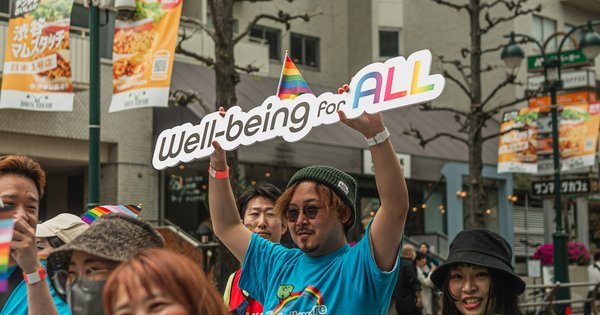
Belgrade Pride turns 25 this year, and by the time its Saturday march steps off from Manjež Park on September 5, it will do so as a police-protected, officially permitted event — a far cry from the chaos of June 2001, when the city’s first attempt at a Pride march was violently shut down within minutes. That contrast, between a stable capital-city march and a much rougher reality everywhere else, is exactly what this month’s “Pride Caravan” was designed to test. The results haven’t been encouraging.
What the Caravan is
The Pride Caravan is a project of Da se zna! (“Let It Be Known!”), the Serbian LGBTQ+ rights organization, run in cooperation with Belgrade Pride ahead of the main September march. The idea is straightforward: instead of concentrating visibility in Belgrade once a year, send small groups of activists to hold brief, peaceful gatherings in towns across the country where LGBTQ+ people rarely see any public show of solidarity at all. This year’s stops included Vranje, Pirot, Kraljevo, and Zaječar — all smaller cities in Serbia’s south and east, well outside the relative safety of the capital.
According to Da se zna!, the organization received more than 1,000 individual threats, insults, and instances of hate speech in the weeks after it published the list of planned stops.
What happened in Pirot
The clearest example came on July 18 in Pirot. Shortly before the scheduled gathering, local police told organizers the assembly was being banned on security grounds — after a large group of men, described by observers as hooligans and extremists, gathered in the town’s central square chanting homophobic slogans and declaring, in effect, that there was no place for the activists there. Journalists covering the event were targeted directly: N1 reporter Gordana Bjeletić was struck in the head with a thrown tomato, while reporters from the outlets Mašina and Tampon Zona were shoved and threatened. The gathering was called off after authorities determined they couldn’t guarantee participants’ safety.
Da se zna! didn’t let the ban stand unchallenged. The organization filed a lawsuit against the Pirot police department over the decision, and separately filed criminal charges against nine individuals over death threats and threats of violence made ahead of the Vranje and Pirot stops.
Pirot wasn’t an isolated incident. In Kraljevo and Zaječar, the caravan again drew large hostile crowds — in one instance, participants had stones and a lighter thrown at them, while journalists covering the events were pelted with eggs. Press freedom groups, including the Independent Journalists’ Association of Serbia, condemned the attacks on reporters at both stops.
The gap between Belgrade and everywhere else
None of this is happening in a vacuum. Belgrade Pride’s own history is the clearest illustration of how far — and how narrowly — progress has traveled. The 2001 march ended in violence within minutes. It didn’t return until 2010, was banned outright in 2011, 2012, and 2013 over “security concerns,” and has run more or less consistently, under heavy police protection, since 2014. That the capital’s march is now a fixture rather than a fight is real. But the Caravan’s reception this summer is a reminder that the fight didn’t end — it just relocated to towns without the same international attention, diplomatic presence, or media scrutiny that Belgrade gets every September.
Serbia still has no law recognizing same-sex civil unions or marriage, despite a draft Law on Civil Partnership submitted to the National Assembly by opposition lawmakers back in 2024 that has never been scheduled for a vote. President Aleksandar Vučić has repeatedly said he won’t sign such a law during his term. Against that backdrop, the Caravan’s mission — showing LGBTQ+ people outside Belgrade that they aren’t invisible or alone — runs into a plain reality: in places like Pirot, even a peaceful, brief public gathering can’t get police protection sufficient to happen at all.
What comes next
Da se zna!‘s legal challenge to the Pirot ban is now before Serbia’s Administrative Court, and the criminal complaints over death threats are pending. Belgrade Pride Week itself runs August 31 through September 6, closing with the Saturday march — this year revisiting, deliberately, the 2001 slogan “There Is Space for All of Us.” Whether that space extends past Belgrade’s city limits is, at this point, still an open question, and one the Caravan’s difficult summer has answered with more clarity than organizers would have liked.