Scouting America eliminated dedicated spaces for LGBTQ+ youth, scouts of color, and women at its 2026 National Jamboree after Defense Secretary Pete Hegseth threatened to cut off Pentagon funding and support for the organization, according to a memorandum the group only recently released under legal pressure.
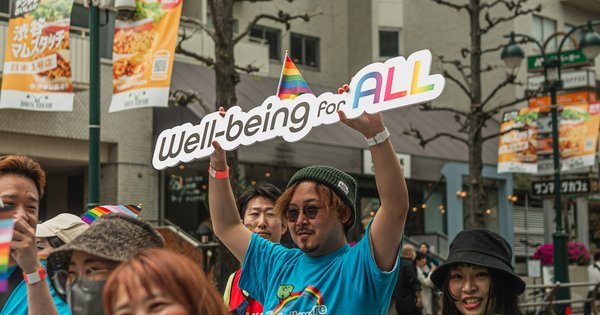
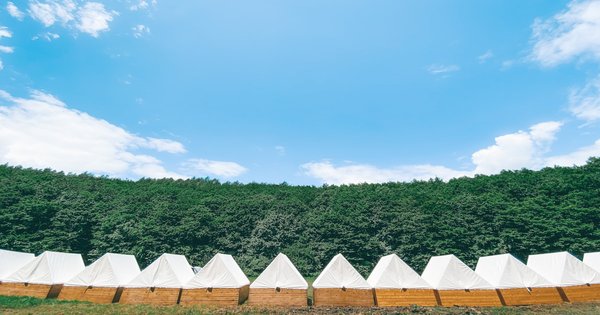
The Jamboree, a 10-day gathering held at the Summit Bechtel Reserve in West Virginia, drew about 15,000 participants this July. Missing this year were the community spaces that in recent years had given queer scouts, scouts of color, and girls — Scouting America opened its ranks to girls in 2019 — a designated place of their own within the sprawling event. The organization also began requiring documentation of sex assigned at birth for membership, rolling back its prior recognition of gender identity.
The pressure campaign traces back to January, when Hegseth’s Department of Defense opened quiet negotiations with Scouting America over its diversity, equity, and inclusion programming. By early February, Hegseth was threatening to end all DoD funding and logistical support for the organization — support that includes access to military bases and installations for major events like the Jamboree. Scouting America capitulated by the end of the month: Hegseth announced the organization had agreed to dissolve its DEI committee entirely and base membership eligibility on sex assigned at birth.
In March, Scouting America issued a public statement suggesting it would continue welcoming transgender youth, a claim that sat uneasily against the terms Hegseth had already announced. The gap between the public statement and the actual agreement is what drove longtime activist James Dale — the plaintiff in the 2000 Supreme Court case Boy Scouts of America v. Dale, which upheld the organization’s right to exclude a gay scoutmaster — to sue for access to the memorandum itself. He obtained it in June, and its contents became public in July as the Jamboree wrapped up.
The effects were felt directly by scouts on the ground. Assistant Scoutmaster Samuel Aronson, describing what was lost, said: “Scouting fundamentally is a safe place for young people to have fun. In the absence of these spaces, we’re denying all that, both the safety and the fun, to thousands of young people.” Twenty-one-year-old scout John Andrew Segebarth skipped the Jamboree altogether, saying the decision showed the organization “walking back on its values.” Others chose quiet defiance instead — trans assistant scoutmaster Layla Grace attended anyway, wearing rainbow nail polish as a marker for the queer and trans scouting community that no longer had an official space of its own.
Scouting America’s relationship with LGBTQ+ members has moved in fits and starts for decades. The organization barred gay scouts and leaders outright until a series of policy reversals: it began allowing openly gay youth in 2013, ended its ban on gay adult leaders in 2015, and started admitting transgender scouts in 2017, changes that took years of organizing and legal pressure to win. This summer’s rollback, driven by leverage over a federal funding relationship rather than an internal culture shift, shows how quickly ground won through years of advocacy can be renegotiated when a much larger institution — in this case the Pentagon — decides to apply pressure.
Dale has not said whether he intends further legal action now that the memorandum is public. Scouting America has not issued a new statement addressing the specific complaints raised by Aronson, Segebarth, or other scouts and leaders who say this year’s Jamboree felt different from the ones before it.