Correction (September 28, 2026): This article originally called this the 29th edition, gave the dates as September 19 to 27, named Plainclothes (last year’s opener) as the opening film, listed Casa do Comum and Purex Clube as venues, called Queer Lisboa Portugal’s only queer film festival and said Portugal tops most European rankings for LGBTQ+ legal protection. In fact, Queer Lisboa 30 ran September 18 to 26, 2026 at Cinema São Jorge and the Cinemateca Portuguesa and opened with Ira Sachs’ The Man I Love, its sister festival, Queer Porto, runs in November, and Portugal is 12th of 49 on ILGA-Europe’s 2026 Rainbow Map.
We haven’t made it to Lisbon yet — Porto is the one Portuguese city we’ve actually called home, for a stretch in 2022 and again this year — but Queer Lisboa has been on our radar for a while, and this month’s 30th edition is a good excuse to finally put it on the itinerary.
Queer Lisboa is Portugal’s longest-running festival dedicated to queer cinema (its sister festival, Queer Porto, follows in November), and the oldest film festival in Lisbon. It launched in 1997, which means it predates most of the legal protections Portuguese LGBTQ+ people now take for granted — same-sex marriage didn’t pass until 2010, joint adoption not until 2016 — and has run every year since as one of the more reliable fixtures of the city’s cultural calendar.
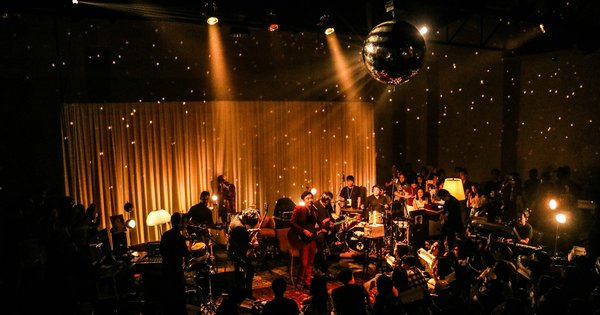
This year’s edition runs September 18 through 26, anchored at Cinema São Jorge on Avenida da Liberdade, with additional programming at the Cinemateca Portuguesa. The ticket office opens today, September 7, with individual tickets priced at €4.50 — cheap enough that a full week of programming is genuinely accessible, not just to festival regulars.
The festival opens with The Man I Love, Ira Sachs’ drama set in late-1980s New York at the height of the AIDS epidemic, with Rami Malek as Jimmy George, a performer facing illness and desire, alongside Tom Sturridge and Rebecca Hall. From there, the program moves through the mix Queer Lisboa has built its reputation on: international narrative features, documentaries, shorts programs, and director talks, organized loosely around the festival’s recurring interest in identity, gender, and the body as political terrain as much as personal one.
That framing matters more in Portugal in 2026 than it might have a few years ago. Portugal still ranks well in Europe for LGBTQ+ legal protection (12th of 49 on ILGA-Europe’s Rainbow Map), but it’s been coasting on legislation passed years ago rather than adding to it — ILGA-Europe’s most recent Rainbow Map has the country sliding in relative ranking as other nations pass new protections Portugal hasn’t matched. A trans-inclusive bill has sat in committee for months without a vote, and the political conversation around gender identity has gotten noisier, not quieter, even as the legal baseline stays where it was. A festival built around visibility — putting queer stories, queer directors, and queer audiences in the same room, in public, at scale — reads a little differently against that backdrop than it would somewhere the fight already feels won.
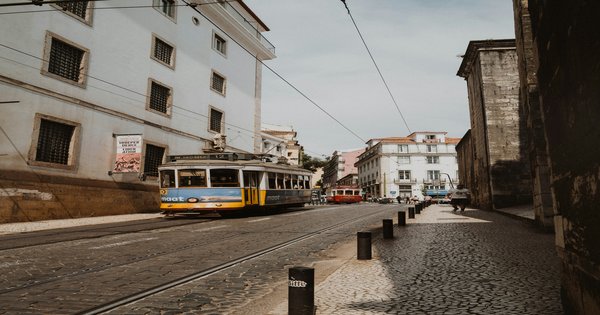
For visitors timing a trip around it, Lisbon in late September is close to ideal: past the peak summer heat and crowds, still warm enough for the city’s outdoor terraces and the Bairro Alto and Príncipe Real nightlife that friends and fellow travelers consistently point us toward when we ask where to go once we finally get there ourselves. Príncipe Real in particular has become Lisbon’s de facto gay neighborhood over the past decade, with a walkable cluster of bars, shops, and the leafy Jardim do Príncipe Real at its center — close enough to Cinema São Jorge that a festival day and a night out don’t require much planning to combine.
Queer Lisboa doesn’t have the size or industry pull of larger European queer film festivals in Berlin or London, and it isn’t trying to. What it offers instead is something closer to what a lot of Balkans and Southern European queer cultural spaces have in common: a festival that exists because a small, committed group of people decided nearly thirty years ago that queer stories deserved a screen in their city, and then kept showing up to make sure that stayed true. Full program and ticket details are available now at queerlisboa.pt.