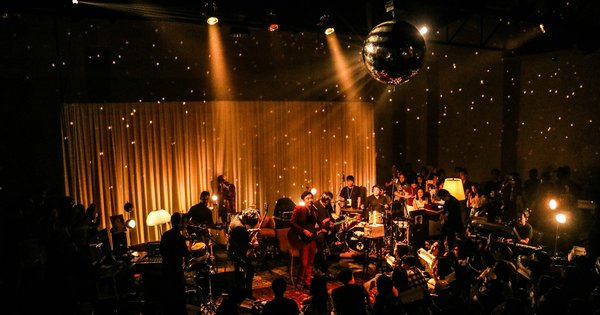
Kosovo doesn’t have much in the way of dedicated queer cultural space — no permanent LGBTQ+ venue, no year-round programming, nothing close to what a city like Belgrade or Zagreb can offer. Which is part of why the Prishtina Queer Festival, returning September 6-8 for its second edition, matters more than its modest three-day footprint would suggest.
The festival is organized by Dylberizm, a queer activism collective that’s become one of the more persistent voices pushing back against the stereotyping and stigma still attached to sexual and gender identity in Kosovo. The program mixes film screenings, concerts, and book launches — a deliberately broad mix, less interested in any single message than in simply making Kosovar queer life visible in public, cultural terms rather than only political ones.
A Portuguese accent
This year’s edition has a specific international thread running through it: a partnership with Portugal’s queer film scene. On September 8, the festival will host a curated program of Portuguese short films selected by the team behind Queer Lisboa and Queer Porto, two of Portugal’s longest-running LGBTQ+ film festivals. It’s a small exchange — a single afternoon of programming — but it’s also a meaningful one for a festival operating in a country where international queer cultural partnerships are rare, and where isolation, more than outright hostility, is often the bigger obstacle for organizers.
Kosovo’s LGBTQ+ community has spent years pushing for a civil partnership law that would extend basic legal recognition to same-sex couples — a proposal that has stalled repeatedly in parliament despite years of advocacy and repeated promises from officials. Against that backdrop of legislative deadlock, cultural programming like the Prishtina Queer Festival functions as something closer to infrastructure: a rare, recurring space where the community can gather, be seen, and connect with peers elsewhere in Europe, even while the legal fight for partnership recognition remains stuck.
The gap between law and daily life
That gap — between what parliament won’t do and what the community builds anyway — is a familiar pattern across the Western Balkans, and it’s worth being honest about both sides of it. Kosovo does not recognize same-sex partnerships in any form, and legal gender recognition remains effectively unavailable outside narrow bureaucratic exceptions. Public attitudes have shifted more slowly than in neighboring EU-accession states, and organizers have described years of quiet institutional indifference punctuated by occasional overt hostility, rather than the kind of dramatic backlash that draws international attention.
At the same time, the fact that a queer cultural festival can run openly in Prishtina at all, in its second consecutive year, with international partners and public programming, represents real ground gained over the last decade. Dylberizm has operated for years without the legal protections that groups in Zagreb or Ljubljana take for granted, and the festival’s survival and growth — however modest in scale — reflects a persistence that shouldn’t be undersold just because it hasn’t yet translated into legislative change.
Why it’s worth watching
Festivals like this one rarely make international headlines, and that’s exactly the point — they’re not built for headlines. They’re built for continuity, for the unglamorous work of making sure a queer cultural scene exists in a country year after year rather than only during Pride week. For a region where TrueQueer has long argued the real story isn’t just legislative wins and losses but the slower, steadier work of community-building, a second edition — however small — is itself the news. A first festival can be a fluke. A second one is the beginning of a tradition.
If the Portugal collaboration continues into future editions, it could also become a template: smaller queer film festivals across Southeast Europe, from Kosovo to North Macedonia to Montenegro, building direct partnerships with better-resourced Western European counterparts rather than relying solely on international NGOs to bridge the gap. For a scene this young, that kind of peer-to-peer connection may end up mattering more than any single screening.