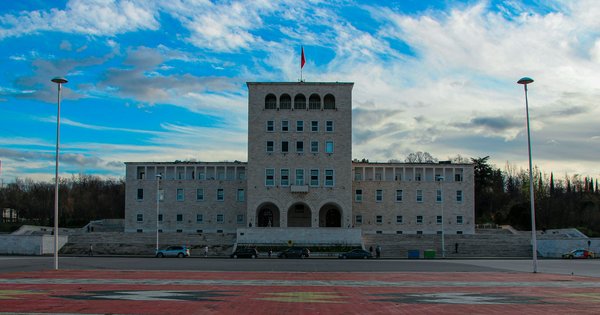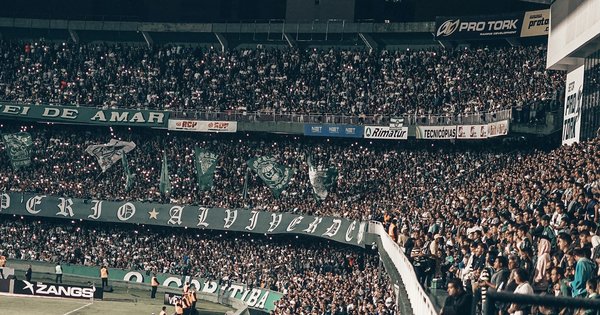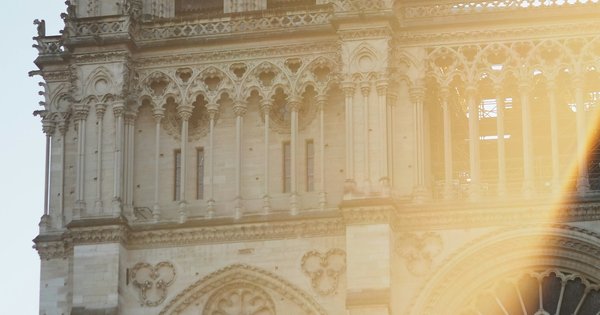
Pope Leo XIV landed at Paris Orly on Friday morning, September 25, for a four-day trip that the Vatican’s official programme packs tightly: a courtesy visit to President Emmanuel Macron at the Élysée Palace, a speech at UNESCO, vespers at Notre-Dame, a youth vigil at the Stade de France, an open-air Mass on Place de la Concorde on Saturday, two days at the shrine in Lourdes, and a final day in Metz focused on peace and European unity before he flies back to Rome on Monday night.
Leo, born Robert Prevost in Chicago, was elected in May 2025. For LGBT Catholics in France, this visit is a chance to ask the question they have been asking ever since: what does welcome from this pope actually mean?
”Nice messages,” no announcements
têtu· spent the run-up to the visit talking to members of D&J Arc-en-ciel, the Christian-inspired group that was founded in Paris in 1972 as David & Jonathan and describes itself as the oldest LGBT+ association in France. It took its current name in 2024.
Their mood, as têtu· reports it, is patient and a little tired. Claire, 36, a lesbian member of the association, said there have been nice messages since Leo’s election but no major announcements about LGBT people. What she wants is doctrinal: she would like to see the Catechism stop describing homosexual acts as “intrinsically disordered.” Alix, 33, another member, told the magazine she wants the Church to recognise trans people better, warning that without that recognition there can be concrete consequences in people’s lives. She plans to attend events during the visit specifically to make the association and LGBT people visible.
Not everyone is focused on doctrine. Bertrand, a gay father and theology doctoral student, told têtu· his main worry is political: that the visit gets exploited by far-right Catholic currents. Théo Moy, a journalist quoted in the same piece, described Leo as “a pope of social Christianity” and cautioned that this trip is pastoral, not doctrinal.
What Leo has actually said
That caution is well founded, because Leo has been unusually clear. In his first long interview as pope, with Crux in September 2025, he said: “Everyone’s invited in, but I don’t invite a person in because they are or are not of any specific identity.” In the same interview he said he found it “highly unlikely, certainly in the near future, that the church’s doctrine in terms of what the church teaches about sexuality” would change, and added: “The family is father, mother, and children.”
He has kept that line all year, on the papal plane back from Africa in April and when the Vatican published its letter to the German bishops opposing formal same-sex blessing rites in May. The pattern has been consistent: warm words about welcome, and no movement on teaching. Pope Francis’s 2023 declaration Fiducia Supplicans, which allows brief, spontaneous blessings of same-sex couples that must not resemble a wedding, still stands. Leo has shown no interest in going further.
Day one: dignity, life, and a line on surrogacy
The first day’s speeches did not mention LGBT people. But one passage will land with some queer families in particular. Speaking at the Élysée, Leo said that “the protection of the right to life constitutes the indispensable foundation of every other human right,” and warned against trends that “risk turning science and technology into profit-driven ventures promoting genetic manipulation, surrogacy, the trade in human organs or the possibility of arranging one’s own death,” according to OSV News.
Most of that speech was aimed at France’s new assisted-dying law, which lawmakers passed in July. Surrogacy is already illegal in France for all couples, gay or straight, though French courts have recognised some children born through surrogacy abroad. Still, for gay dads who became parents that way, hearing surrogacy listed next to organ trafficking is a reminder of how the Vatican sees their families.
The evening was more upbeat. Aleteia reported about 80,000 young people at the Stade de France vigil, where Leo told them: “You are the saints of France.”
A country that has already moved on the law
France’s civil law settled most of these questions years ago. Same-sex marriage has been legal since May 2013, and since 2021 lesbian couples and single women have had access to medically assisted reproduction. Both reforms came after years of public argument, and French LGBT people still pay close attention to how a pope talks when he visits.
So when Claire and Alix say welcome is no longer enough, they aren’t asking the Church to catch up with French law. They’re asking it to stop treating the relationships and identities of its own members as a problem. This visit gives that request a public stage.
One week later, Pride
The calendar adds a twist. Paris Pride, the Marche des Fiertés, should have happened in June. It was cancelled at the last minute because of an extreme heatwave that overwhelmed emergency services, and Inter-LGBT had to squeeze a new date into an autumn full of big events. According to têtu·, the pope’s visit was one of the scheduling headaches.
The march they settled on is on Saturday, October 3, on a shorter route from Place d’Italie to Place de la Bastille. Speeches start at 12:30 and the march leaves at 1 p.m., under the slogan “2027: Solidarity, diversity, LGBT+ & allies.”
So the city that holds a papal Mass on the Place de la Concorde this Saturday will hold its Pride march the Saturday after. Some of the LGBT Catholics who turn out this weekend hoping to be seen by their Church will probably march on October 3 too. They see no contradiction in doing both.