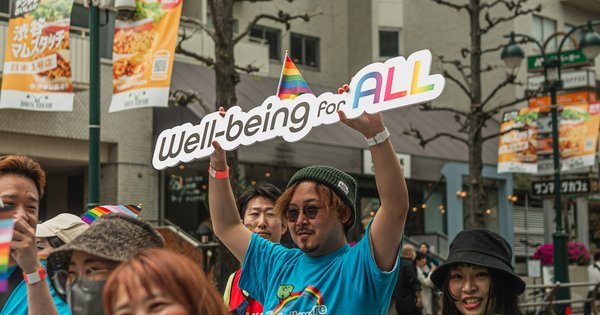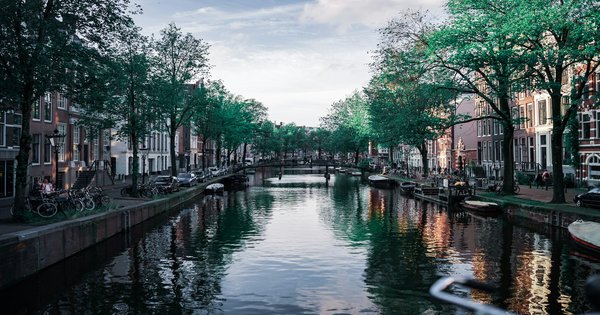
Rob Jetten made history in February as the Netherlands’ first openly gay prime minister, and he’s spent much of the year since leaning into that visibility — marching in Amsterdam’s WorldPride canal parade, opening the WorldPride Human Rights Conference, and announcing a €7.5 million annual fund to improve LGBTQ+ safety. This month, that same visibility put him at the center of a much harder conversation: what, exactly, is driving the rise in anti-LGBTQ+ harassment and violence he’s spent the year warning about, and who’s responsible for naming it.
What Jetten said — and didn’t say
During a parliamentary debate on rising public harassment and violence toward sexual minorities, opposition figures pressed Jetten to explicitly name Islam, and specifically attitudes within some Muslim immigrant communities, as a primary driver of the increase. Jetten declined. Instead, he pointed to what he described as “toxic, highly organised and well-funded groups hiding behind the façade of freedom of expression,” and cited the far right as an equally serious source of the hostility. He also referenced the deadly attack at Berlin’s Pride celebration in late July, where a German citizen who had previously tried to join the Islamic State drove a van into the crowd and later attacked others with a machete, killing one person and injuring 29 — an example, in Jetten’s framing, of extremism as the through-line, not any single religious or ethnic community.
That answer didn’t satisfy his critics. Conservative commentators and politicians accused Jetten of political correctness, arguing that avoiding a direct link between Islam and anti-LGBTQ+ hostility prevents an honest reckoning with integration failures in immigrant communities. The criticism has been amplified by outlets on the European right, turning what began as a policy debate about hate-crime funding into a broader argument about how the Netherlands talks about religion, immigration, and safety at the same time.
The numbers behind the debate
The debate didn’t emerge from nowhere. Jetten has said publicly that he personally presses charges on a roughly weekly basis over anti-gay abuse and threats directed at him — a detail he’s cited before, as far back as February, as evidence of how normalized hostility toward LGBTQ+ public figures has become. At the WorldPride Human Rights Conference in early August, both Jetten and Amsterdam mayor Femke Halsema warned more broadly of rising anti-LGBTQ+ hatred in the country, and Jetten’s government followed through with the €7.5 million-a-year safety fund, intended to support anti-discrimination initiatives, public safety measures, and efforts to counter anti-LGBTQ+ misinformation over the next three years.
Why this matters beyond the Netherlands
The shape of this argument — extremism versus a specific community, far-right violence versus religiously-motivated violence — isn’t unique to the Netherlands, and it’s one that’s likely to keep surfacing across Western Europe as anti-LGBTQ+ incidents rise alongside broader debates over immigration and integration. What makes the Dutch version notable is who’s at the center of it: a prime minister who is himself gay, presiding over a government that has put real money behind LGBTQ+ safety, being told by critics that his own identity and politics are getting in the way of an honest diagnosis of the threat.
Jetten hasn’t backed down from his framing, and there’s no indication the government plans to revise its approach to the funding or the language around it. But the debate is a preview of a tension that’s likely to recur: as violence against LGBTQ+ people in Europe draws attention to who’s committing it, governments will keep facing pressure to name causes in ways that satisfy very different political audiences — and very rarely satisfy all of them at once.