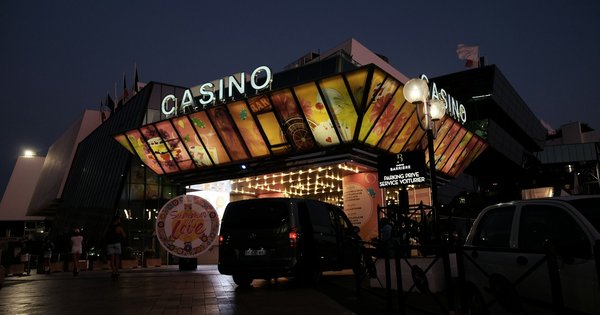
Chelsi Way and her wife, Celia Haueter, had just left a concert with Way’s brother, Zac Chearhart, and his partner, David Supal, when they stopped to wait for the valet outside MGM Grand Detroit. Two men approached. One pulled out his phone to film the group, then punched Way in the face while shouting homophobic slurs. When Chearhart went inside to get help, casino security came out — and, according to a lawsuit filed by both couples, simply filmed the attack on their own phones instead of intervening.
The assault happened in June 2025. More than a year later, Way and Haueter, along with Chearhart and Supal, are suing MGM Resorts International, arguing the casino’s security staff had a duty to protect them and failed to act despite watching the violence unfold.
What the lawsuit alleges
According to the complaint and reporting from The Detroit News and CBS Detroit, the attacker — later identified as William James Wilson of Fort Worth, Texas — turned on Haueter after hitting Chearhart. “He just started swinging,” Way said. Haueter was knocked unconscious for several minutes and sustained a traumatic brain injury, a severe concussion, facial bruising, a black eye, and a lip laceration that required more than a dozen stitches. A doctor later told her that a harder blow could have been fatal.
The couple say the injuries have had lasting effects. Haueter has struggled with memory problems, difficulty with speech, PTSD, and debilitating headaches. Way says the woman who once loved concerts and being outgoing now rarely leaves the house.
The lawsuit’s central claim isn’t just against Wilson — it’s against MGM Resorts International, for what the plaintiffs describe as a preventable failure. “There was enough time for one of the gentlemen to go inside and alert security,” said Jim Rasor, the couples’ attorney. “Security knew; they were watching what was happening. They had a duty to call the police and monitor the premises… They did nothing.” The suit also alleges the casino continued serving Wilson alcohol while he was visibly intoxicated in the lead-up to the attack.
Way has described the aftermath in blunt terms: after security arrived, she says, “the only thing MGM did was bring a rolling chair and a piece of paper towel,” while valet staff recorded the scene on their phones rather than helping. Ultimately it was bystanders — not casino employees — who stepped in.
The criminal case fell short of what the couple wanted
Wilson was arrested after Way herself followed his car for three miles and directed police to his location. He was initially charged with assault with intent to do great bodily harm, aggravated assault, two counts of assault and battery, and four hate crime counts — the most serious of which, a felony, carries up to five years in prison. In March 2026, as part of a plea deal, seven of the eight charges were dismissed, and Wilson was sentenced to two years of probation on a single hate-crime count.
“I think they let him off easy,” Way said. “It still makes me sick to this day.”
The civil case now moving forward seeks accountability that the couples feel the criminal justice system didn’t fully deliver — both against Wilson individually and against MGM Resorts for what they describe as a systemic failure to protect patrons. MGM has not issued public comment on the lawsuit; press inquiries at the time of the original incident were referred to the Detroit Police Department.
Why this case matters beyond Michigan
Attacks outside venues — bars, casinos, concert spaces — sit in a legal gray area that hinges heavily on what security staff actually do in the moment. Rasor’s argument is straightforward: businesses that know their premises attract violence have an obligation to act on that knowledge, not simply document it. A GoFundMe set up to help cover Haueter’s ongoing medical and therapy costs describes a recovery that’s been slow and difficult, a reminder that the consequences of hate-motivated violence extend well past the moment of the attack itself, and well past whatever sentence a criminal court hands down.