A war story usually ends at the border. For LGBTQ+ people fleeing the latest fighting in southern Ethiopia, the border is where a second set of dangers begins.
The short version
- The crisis: Clashes between Oromo and Somali communities around Moyale, on the Ethiopia–Kenya border, have pushed tens of thousands of people into Kenya since late October.
- The numbers: The Kenya Red Cross counts 47,952 people who crossed into Kenya as of November 2, according to an appeal from the PRIDE Centre published November 5.
- The LGBTQ+ estimate: PRIDE estimates at least 2,400 of them are LGBTQIA+. That’s a calculation, not a headcount: 5% of the total, based on global prevalence surveys.
- The catch: Kenya formally recognises asylum claims based on sexual orientation and gender identity, but PRIDE says it has unofficially frozen registration for LGBTQIA+ asylum seekers since 2019.
- The ask: Aid groups are being urged to build safe shelters, referral routes and protection specifically for LGBTQIA+ people before they fall through the cracks.
What happened at Moyale
The fighting broke out around October 21 in the area around Moyale, a split town on both sides of the border. Anadolu Agency reported on October 24 that the dispute centred on the flag of Ethiopia’s Somali Regional State being displayed in an area administered by Oromia. At least nine people had been killed by then, with officials fearing more than a dozen.
The numbers crossing grew fast. On October 24 the Kenya Red Cross had more than 10,900 people in six temporary camps in Moyale and about 4,000 more staying with relatives and host families. By November 2, its count was 47,952.
The story was picked up on November 9 by Erasing 76 Crimes, which has followed LGBTQ+ refugees in East Africa for years.
Why LGBTQ+ refugees are at extra risk
The PRIDE Centre (short for Protection, Rights, Inclusion in Displacement & Emergencies) works with forcibly displaced LGBTQIA+ people. Its appeal makes a point that’s easy to miss: queer people in crisis zones often survive on anonymity, mutual aid and carefully built safety networks. Displacement wipes all of that out overnight.
In crowded camps, at food distributions and at water points, people are suddenly visible. PRIDE says that exposure often leads to targeted violence, including sexual violence. Its community surveys found 92% of forcibly displaced LGBTQIA+ people in the countries where it works have experienced targeted sexual and gender-based violence. PRIDE doesn’t publish the sample size alongside that figure, so read it as a strong warning from people on the ground rather than a census.
Kakuma: protected from war, not from homophobia
Kenya’s legal picture is contradictory. The country formally accepts asylum claims based on sexual orientation, gender identity, expression and sex characteristics. But same-sex activity is illegal in Kenya, as Geographical notes, and PRIDE says registration for LGBTQIA+ applicants has been informally frozen since 2019. Without registration, people lack the full rights and protections of recognised refugees.
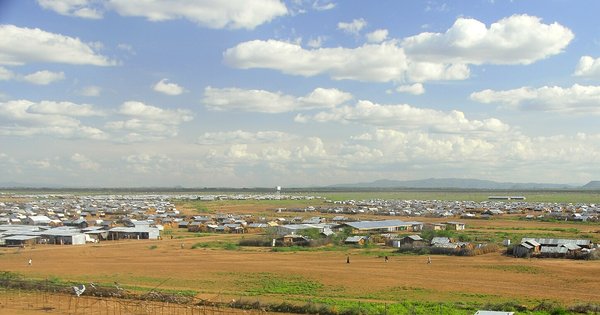
LGBTQIA+ asylum seekers are sent to a designated area of Kakuma, one of the largest refugee camps in the world, home to more than 225,000 people according to RefugePoint. PRIDE says they face violent attacks there almost weekly, as well as discrimination, including from some government, UN and NGO staff. Many leave for Kenyan towns and cities instead. Several hundred have gone further, to South Sudan.
Gorom: the next stop, and no safer
South Sudan’s Gorom Refugee Settlement, 26 km southwest of Juba, was built in 2010 for about 2,500 refugees fleeing conflict in Ethiopia. It now holds about 16,000, according to UNHCR figures reported by Geographical in September. UNHCR wouldn’t say how many are LGBTQ+; one refugee estimated about 600. UNHCR stopped registering new arrivals there on June 22, 2026.
The LGBTQ+ refugees Geographical spoke to, many originally from Uganda, described night-time beatings, attacks at water points, burned businesses and extortion. South Sudanese law criminalises same-sex relations. “We sit here not knowing what will happen to us,” one refugee, Peter, told the magazine.
There’s a thread of hope in that same reporting: Rainbow Railroad helped one Gorom refugee, Kareem, resettle in Canada in January 2026.
What aid groups are being asked to do
PRIDE’s appeal is specific. It wants UN agencies, NGOs, donors and the Red Cross to:
- Work with national, local and LGBTQIA+ service providers, including refugee-led organisations
- Set up referral routes so people aren’t turned away or left behind
- Provide safe shelters separate from collective shelters organised by binary sex
- Offer care for survivors of sexual and gender-based violence, plus sexual and reproductive health services
- Provide legal help and civil registration
- Make sure health services, food and water can be reached without discrimination or violence
None of this requires new law. It requires the humanitarian system to plan for people it already knows are there.
What to watch
Whether Kenya’s informal registration freeze holds as numbers at Moyale keep rising, whether aid agencies adopt PRIDE’s recommendations in the Moyale camps, and what happens to those who keep moving north toward Gorom. We’ll keep following it.
If you’re reading this from somewhere hostile, please be careful what you share about yourself or others online. Names, faces and locations can put people in danger.
Sources: PRIDE Centre (Nov 5, 2026); Erasing 76 Crimes (Nov 9, 2026); Anadolu Agency (Oct 24, 2026); Geographical (Sep 21, 2026); RefugePoint. Photo: Kakuma refugee camp, 2010, Matija Kovač / Wikimedia Commons, CC BY-SA 3.0.