Every other country in the Western Balkans has one. Albania has one. North Macedonia has one. Even Bosnia and Herzegovina, with its fractured governance and three-way ethnic power-sharing, has managed to open one. Kosovo, six years after its own capital city set aside money to build one, still doesn’t: a dedicated shelter where LGBTQ+ people fleeing domestic or family violence can actually go.
The gap isn’t new, and that’s exactly the point advocates keep making. This is not a resourcing problem the country hasn’t gotten around to. It’s a specific, funded commitment that has quietly stalled for years while the need behind it hasn’t gone anywhere.
A location, a budget, and then nothing
The story starts in 2020, during the mandate of then-Pristina mayor Shpend Ahmeti. The municipal government identified a location and allocated funds for a shelter aimed at LGBTQ+ people experiencing domestic or family-based violence — the kind that often looks different from other forms of intimate partner abuse, rooted in a parent, sibling, or spouse punishing someone for who they are rather than in a breakup gone wrong. It was a genuinely notable commitment for the region: an acknowledgment, in writing and in budget lines, that queer Kosovars needed a safe place that existing domestic violence infrastructure wasn’t built to provide.
Then the project simply sat. No opening date materialized. No public accounting of what happened to the allocated funds followed. Advocacy groups have continued to press the issue in the years since, and the answer has remained the same: still nothing. Local LGBTQ+ organizations have kept the demand alive publicly, framing it as a matter of basic security and dignity rather than a special favor — the same “right to freedom and security” that Kosovo’s constitution already promises everyone else.
Why the gap matters more than it might sound
Kosovo is not a country without domestic violence services. Kosovo Women’s Network and other organizations have spent years building out shelter infrastructure for survivors of gender-based violence generally, including opening the country’s first multi-ethnic shelter for survivors regardless of ethnicity. That work matters and represents real progress. But mainstream shelters are not always equipped — logistically, culturally, or in staff training — to take in someone whose abuser is a family member reacting to their sexual orientation or gender identity, or who fears outing themselves further by entering a shared space with people who may not be safe to come out to.
In practice, LGBTQ+ Kosovars facing this kind of violence have often had one real option: leave the country. Neighboring Albania, and Tirana specifically, has functioned as an informal safety valve, with people crossing the border to access support that doesn’t exist at home. That’s not a system. It’s an absence of one, patched together by geography and the goodwill of a neighboring country’s civil society.
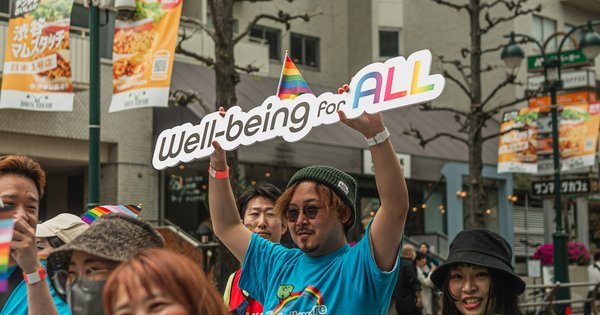
Journalists and researchers covering the community have described the same pattern from a different angle — visibility without safety. Kosovo has had a decade of Pride marches now, this year’s under the slogan “Equality or Revolt,” and a genuinely active, vocal LGBTQ+ civil society sector. But visibility in the streets each June hasn’t translated into the unglamorous, year-round infrastructure that keeps people safe the other 364 days: shelters, legal aid, trained police response. Rights groups have also flagged that economic marginalization compounds the problem — LGBTQ+ people who are pushed out of family homes often face discrimination in the labor market too, narrowing their options further just when they need resources most.
The pattern looks familiar
If this sounds like a story TrueQueer readers have heard before about Kosovo, that’s because the shape repeats. Kosovo’s long-stalled Civil Code, which would extend any legal recognition to same-sex couples, has been similarly promised and similarly delayed for years despite constitutional language and even prime ministerial backing. The shelter follows the same arc: a concrete, funded commitment made in a moment of political goodwill, followed by an indefinite silence once the cameras move on.
Kosovo’s government has real incentives to close gaps like this one. EU accession conversations increasingly touch on how candidate countries treat minority communities, and the Western Balkans nations that have opened LGBTQ+-specific services — however imperfect — can point to something concrete when the question comes up. Kosovo currently cannot.
For now, the practical advice from Kosovar advocacy organizations to someone in danger remains uncomfortably specific: contact one of the community organizations directly, and be prepared that the safest option may be leaving the country rather than finding shelter within it. That’s not a failure of the community organizing around this issue, which has been consistent and vocal for years. It’s a failure of the institutions that allocated a budget for a solution in 2020 and have yet to explain what happened to it.