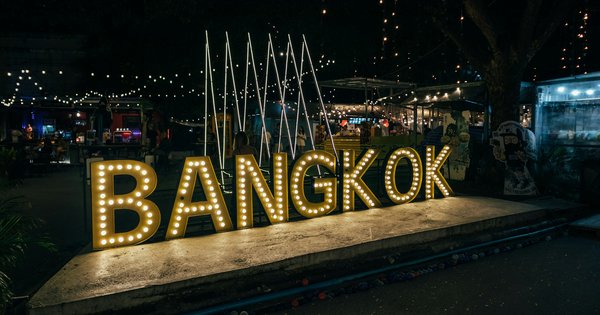
Eurovision finally went to Asia on Saturday night, and it brought the sequins with it. Eleven countries, one stage in Bangkok, a teenage winner from the Philippines, and drag performers right there in the opening number.
Unless you watched in Malaysia.
The short version
- The show: The first-ever Eurovision Song Contest Asia, live from Bangkok on November 14.
- The winner: The Philippines, with Carmelle’s “Sobra-Sobra,” winning both the jury and the public vote.
- The problem: Malaysian broadcaster TV3 altered its broadcast, removing Filipino jury spokesperson Vice Ganda and drag performers from the opening act.
- The response: The EBU, which runs Eurovision, says it’s “surprised and disappointed” and is seeking answers.
First, the good part
Eleven countries took part: Bangladesh, Bhutan, Cambodia, Laos, Malaysia, Mongolia, Nepal, the Philippines, South Korea, Thailand and Vietnam, PinkNews reported. The format will feel familiar to anyone who’s survived a European final: one song per country, then jury votes read out by video link.
Carmelle, 19 and the youngest act in the contest, won for the Philippines with 211 points (93 from juries, 118 from viewers). Thailand’s Mang x Daou came second with “Aroma,” Vietnam’s Tóc Tiên third, and Malaysia’s own Aina Abdul fourth with “Bluest Sky.”
Carmelle said her song is “about how unapologetic, independent and strong Filipinas are,” per Yahoo News Australia. Honestly? Great energy for a first-ever winner.
What Malaysian viewers didn’t see
The Philippines picked one of its biggest TV stars to read out its jury points: comedian and host Vice Ganda, who is openly gay and non-binary and appeared in an elaborate, feminine costume, according to PinkNews. Vice Ganda delivered the Philippines’ 12 points to Malaysia.
Malaysian viewers watching on TV3 never saw it. During the segment, the screen showed the Eurovision Asia logo instead, PinkNews reported, based on footage shared on X by the fan account ESC Fent.
The edits started earlier. The opening act celebrated Thai culture with drag performers riding street food carts. On TV3, those moments were replaced with a wide shot taken from rehearsals, Eurovoix reported, again citing ESC Fent’s posts. TV3 had not commented at the time of those reports.
What Eurovision says
Martin Green, director of the Eurovision Song Contest at the European Broadcasting Union, told The Guardian, as reported by Eurovoix and PinkNews:
“We are surprised and disappointed to learn that the broadcast of Eurovision Song Contest Asia was altered in Malaysia.”
He said the EBU takes it “seriously” and will write to Voxovation, the company that produces Eurovision Asia under licence. “This appears to be isolated to the Malaysian broadcast of the show, and all other transmissions were not altered,” he added.
Voxovation said it was “looking into the matter with the broadcaster to establish the circumstances,” and: “We are working with the Malaysian broadcaster to make sure this doesn’t happen again.” EBU head of communications Dave Goodman called the contest’s values “non-negotiable,” per PinkNews.
Why it happened (probably)
Nobody has given an official reason. But the context isn’t hard to read. Malaysia criminalises gay sex under its Penal Code, with penalties of up to 20 years in prison and whipping, and bans the publication and distribution of LGBTQ+ material under “morality” guidelines, PinkNews notes. In June, the government announced it would replace the word “LGBT” in official use with a Malay term meaning “deviant culture.”
TV3 has history here too. Last year it formally apologised after attendees at one of its entertainment shows were said to have “dressed as women,” Eurovoix reports.
This isn’t Eurovision’s first censorship fight
In 2018, China’s Mango TV cut LGBTQ+ moments from a Eurovision semi-final, including a same-sex couple dancing in Ireland’s performance. The EBU responded by cancelling Mango TV’s rights to air the rest of the contest that year. Whether Eurovision Asia, a licensed spin-off run with a commercial producer, has the same teeth is now the real question.
Why it matters
Eurovision has spent decades becoming one of the queerest things on television, and expanding to Asia was always going to test how much of that travels. Saturday showed both sides at once: a Thai opening number with drag front and centre, a non-binary superstar reading out a nation’s votes, and a broadcaster that decided its audience shouldn’t see either.
For queer viewers in Malaysia, the message is familiar and exhausting. For everyone else, the clips are already online, and Vice Ganda’s 12 points to Malaysia landed anyway.
Sources: PinkNews (Nov 16, 2026); PinkNews (Nov 16, 2026); Eurovoix (Nov 16, 2026); Yahoo News Australia; Euronews (2018). Photo: Kamil Molendys on Unsplash.