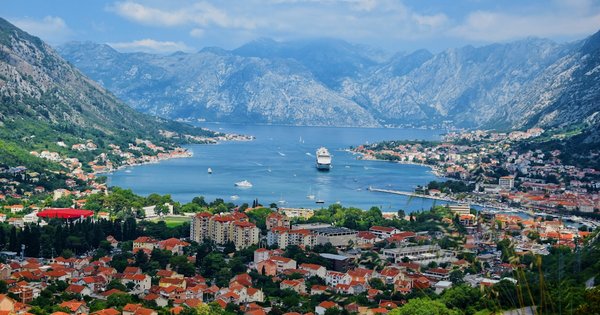
On June 5, EU leaders gathered in Tivat, Montenegro, for the EU-Western Balkans Summit — the first time the bloc has held this meeting in Montenegro, and the most senior enlargement gathering the region has seen in years. Ursula von der Leyen, Emmanuel Macron, and Friedrich Merz were all there. The headline that came out of it: Montenegro is, in von der Leyen’s words, “within reach” of joining the EU by 2028, with Albania close behind as the other clear frontrunner.
That is a big deal for the Balkans generally. It is also, less obviously, a big deal for LGBTQ+ people across the region — because EU accession has quietly become one of the most effective tools queer Balkans communities have.
How enlargement became a rights lever
The accession process works through “chapters” — areas of law and policy a candidate country must bring in line with EU standards before joining. Fundamental rights, including protection from discrimination on the basis of sexual orientation and gender identity, sit inside that framework. The European Commission’s annual progress reports explicitly track these issues, and they cite tools like the ILGA-Europe Rainbow Map when assessing how candidate countries are doing.
This creates a concrete incentive structure. A government that wants to keep its accession timeline on track has a reason to pass anti-discrimination laws, ban conversion practices, and protect Pride events — not necessarily because the political will exists domestically, but because Brussels is watching and the reward (membership) is enormous. It is not a perfect mechanism, and it can produce laws that look better on paper than in lived reality. But it is real leverage, and in a region where domestic momentum on LGBTQ+ rights is often thin, leverage matters.
Where the frontrunners actually stand
The two countries closest to membership tell slightly different stories.
Montenegro is the highest-scoring country in the Western Balkans on the 2026 Rainbow Map, at 53 percent. It legalized same-sex civil partnerships in 2020 — a genuine regional milestone — and has a relatively developed anti-discrimination framework. We spent time in Podgorica back in 2015, and even then it felt more relaxed than its reputation suggested, though the gap between the capital and smaller towns is real, and partnership recognition has not erased everyday discrimination.
Albania, the other frontrunner, sits at 41 percent. Its standing rose this year on the back of a landmark gender equality law — which is now itself the target of a conservative repeal effort. Albania has comprehensive anti-discrimination legislation and a partial conversion-therapy ban, but no legal gender recognition.
The contrast is instructive. Both countries are being told membership is within reach. Both still have meaningful gaps on LGBTQ+ rights. The accession process is the thing most likely to keep pushing them to close those gaps.
The rest of the region is further back
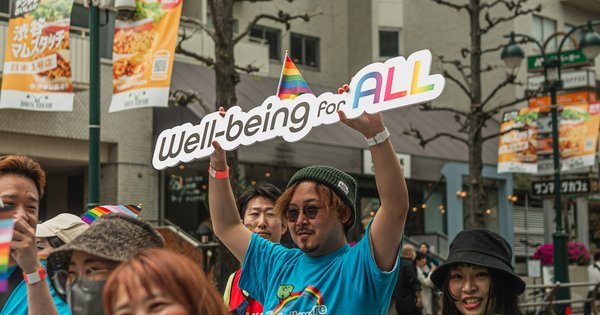
For the countries not in the front of the queue, the picture is harder. Kosovo holds 28th place in Europe at 35 percent, with a draft Civil Code — which would introduce legal gender recognition and civil partnerships — still stalled. North Macedonia dropped two places to 33rd, stuck at 29 percent with little movement since 2021. Serbia and Bosnia continue to struggle on partnership recognition, and Pride marches in both countries this spring carried explicit messages about resisting a rising tide of extremism.
This is the uncomfortable subtext of the Tivat summit. Enlargement momentum is real, but it is concentrated. The frontrunners get the attention, the investment, and the pressure to reform. The countries further back risk drifting, and in a few of them the political winds are actively hostile.
What we will be watching
The summit produced warm words and a credible 2028 target for Montenegro. The harder question is whether accession pressure actually translates into durable protections — laws that survive backlash, Pride marches that happen safely, gender recognition frameworks that finally move from draft to reality.
We live in this region for much of the year, and the honest answer is that progress here is uneven and often fragile. But the EU path is one of the few forces consistently pushing in the right direction. If membership really is within reach for Montenegro and Albania, the next two years are a chance to lock in rights gains that are much harder to reverse once a country is inside the club. That is the part of the Tivat summit worth paying attention to.