For the first half of 2026, Cyprus is holding the rotating presidency of the Council of the European Union — chairing meetings, setting agendas, and standing, at least symbolically, for the bloc’s values. Its motto for the term is “An Autonomous Union, Open to the World.” This Pride Month, a coalition of diplomats decided to test how open that world really is at home.
In a joint statement issued during Cyprus Pride Month, 26 diplomatic missions and European institutions based on the island warned of a global rollback in LGBT rights and urged the Cypriot government to do something it has promised for years but not delivered: adopt a national LGBT strategy. The statement, reported by the Cyprus Mail, pointedly framed the country’s EU presidency as “an opportunity to demonstrate continued commitment to equality and inclusion” — diplomatic language for you are holding the gavel; act like it.
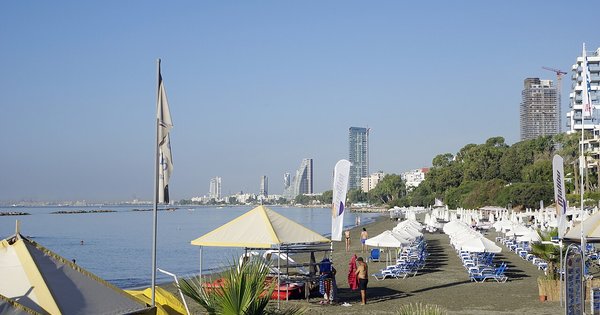
We’ve spent time on the island ourselves — Larnaca was one of our early bases as nomads — so this one lands close to home. Cyprus is warm, beautiful, and in our experience perfectly easy to live in as a couple. But the legal scaffolding behind that ease is thinner than most visitors realize.
Where Cyprus actually stands
On ILGA-Europe’s 2026 Rainbow Map, Cyprus ranks 30th of 49 European countries, scoring just 33.69% on the index of laws and policies affecting LGBTI people. That places it well below the EU average and far behind regional neighbors like Greece and Malta, which sit near the top of the continent.
The gaps are concrete. Cyprus legalized civil unions in 2015, which was genuinely significant at the time, but it stops short of marriage equality and joint adoption. Legal gender recognition remains difficult and medicalized. There is no comprehensive national plan coordinating anti-discrimination enforcement, inclusive education, hate-crime tracking, and healthcare access — the kind of strategy that turns scattered protections into a functioning system. That national LGBT strategy, officials say, is “in its final stages.” It has been in its final stages for a while.
Why the diplomats spoke up
The statement was not really about Cyprus alone. The signatories — which included member-state embassies and EU bodies — explicitly cited “increasing restrictions targeting LGBT communities in several countries,” naming attempts to limit freedom of expression, restrict inclusive education, and constrain civil-society organizations. That is a recognizable description of the playbook unfolding in Hungary, Slovakia, Bulgaria, and beyond, and a recognizable anxiety in a year when the United States has rolled back federal protections and corporate Pride sponsorship has retreated across Europe.
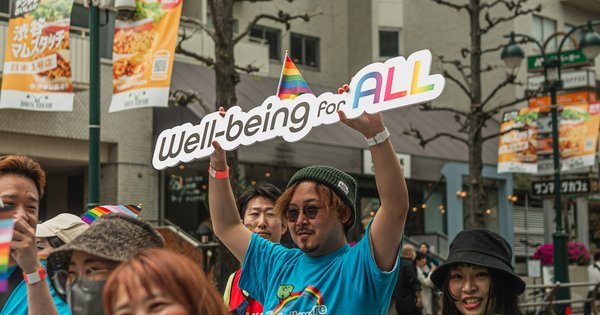
By tying the appeal to the presidency, the diplomats put a useful kind of pressure on Nicosia. A country that chairs the Council and simultaneously drags its feet on a basic equality framework hands its critics an easy contrast. Members of the Diplomats for Equality network also joined Pride marches in Nicosia this month, a visible signal that the international community is watching how the term is used.
The accession parallel
For readers who follow our Balkans coverage, the dynamic here will feel familiar. We write often about how EU accession negotiations have pulled LGBTQ+ rights onto the political agenda in places like Albania, North Macedonia, and Montenegro, because fundamental-rights criteria are scored as part of the process. Cyprus is already inside the club — it joined in 2004 — so the leverage is different. There is no accession carrot to dangle. What’s left is reputational pressure and the awkwardness of leading on values you haven’t fully implemented at home.
That makes the diplomats’ move a smart one. They’re not threatening anything; they’re simply asking Cyprus to match its rhetoric to its statute book while the whole continent is looking its way.
What to watch
The national strategy is the thing to track. If the Cypriot government finalizes and adopts it before the presidency ends on 30 June, it would be a tidy, credible win — exactly the sort of deliverable that justifies the “open to the world” branding. If the term lapses without it, that silence will speak loudly, and the 26 signatories will have made sure everyone noticed.
Either way, the episode is a reminder that the rollback story isn’t only about dramatic bans and court fights. Sometimes the most consequential thing a government can do for its LGBTQ+ citizens is unglamorous: write the plan, fund it, and follow through. Cyprus has six weeks left on the clock to show whether it will.