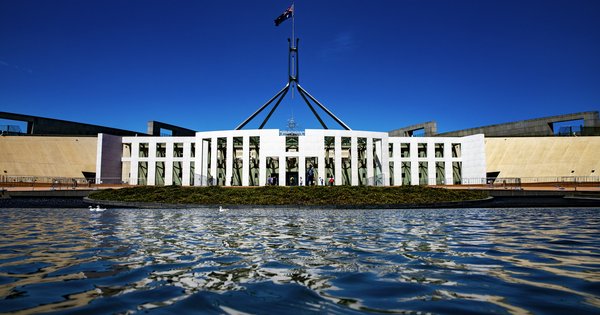
In August 2024, Bulgaria’s parliament changed its school law to ban LGBTI “propaganda” in schools. Two years on, the first big survey of LGBTI+ students since then is out, and the picture is grim: more isolation, fewer students out, and many more thinking about suicide.
This article discusses suicide. If you’re in Bulgaria and in danger, call 112.
The survey, in brief
The Single Step Foundation, a Sofia group that supports LGBTI youth, ran its third national survey on attitudes towards LGBTI+ students between June 30 and September 6, 2026, together with the association LGBTI Action. It was online, anonymous and voluntary.
- 1,071 LGBTI+ young people aged 14 to 20 answered, from all 28 provinces.
- The organisers say plainly that it isn’t representative of every LGBTI+ student in Bulgaria. What it does allow is comparison with the same survey in 2018 and 2024, so you can see the trend.
That trend is what Balkan Insight summed up on November 24 as “a deterioration in the position of LGBTQ+ pupils and widespread uncertainty over what is actually prohibited.”
The numbers that jump out
Figures below come from reporting on the report by Toest, Darik and Mediamall.
Safety
- 82% don’t feel safe at school, the highest of the three surveys (77.7% in 2018, 74% in 2024).
- 25.5% faced physical harassment because of their sexual orientation, up from 19.2% two years earlier.
- 80.7% were deliberately excluded or isolated by classmates (71.1% in both 2018 and 2024).
Mental health
- 58.5% seriously considered suicide in the past 12 months, up from 49.4% in 2024.
- 67.4% don’t feel they belong at school (52.4% in 2018).
Being out
- Only 6.8% are out to all their classmates, down from 12.3% in 2024.
- 49.9% aren’t out to anyone in their family (40.9% in 2024).
How the law shows up in the classroom
The amendment, to the Law on Pre-School and School Education, was proposed by the far-right Revival party and passed 135 to 57, Balkan Insight reported at the time. It bans “propaganda, popularisation and encouragement, directly or indirectly” of ideas connected to non-traditional sexual orientation or a gender identity different from the biological one. It doesn’t say which ideas are unlawful, and it sets no sanctions.
That vagueness is the point students keep coming back to. About 80% of respondents know about the law, and according to Toest:
- 52.1% have classmates who made negative remarks about LGBTI people while citing it.
- 23.8% heard a teacher or other staff member use the law to justify negative comments.
- 29% heard school staff say positive LGBTI topics can’t be discussed because of the law or official policy.
- 47.6% are less likely to raise LGBTI topics in class, and 51.9% avoided asking for support at school.
- 38.1% say the law made their mental health worse.
In other words, a law that names no penalty is still being used as a reason to stay quiet, and sometimes as cover for bullying. And when bullying happens, most students don’t report it: 55.3% of those harassed never told a teacher or principal, mainly because they didn’t believe the school would do anything.
”I have never censored them”
Not every teacher has gone quiet. Vasil Lozanov, a 33-year-old philosophy and civic education teacher at Sofia’s Spanish High School, told Balkan Insight that colleagues asked him whether they could still discuss the subject. He didn’t change his teaching: “I have never censored them and I have no intention of censoring them.”
The survey suggests adults like him matter a lot. 78% of students know at least one teacher or staff member who supports them. Among students with that kind of support, 41.6% reported high depressive symptoms, compared with 54.1% of those without one. One trusted adult isn’t a cure, but it’s a measurable difference.
“These kids aren’t silent because they have nothing to say,” Single Step founder Ivan Dimov said, as quoted by Mediamall. “They’re silent because they don’t believe anyone will hear them.” (Our translation from Bulgarian.)
The brain-drain question
The survey also asked about the future. 58.3% plan to study or work abroad and 29.9% are undecided; 77.8% of those who want to leave link it to their sexual orientation or gender identity.
Mediamall also reports a separate economic analysis by researcher Hristo Ivanov that puts potential losses at around €400 million if roughly 3,100 students leave and stay abroad for identity-related reasons. Ivanov describes it as a scenario, not a forecast, and it doesn’t measure the law’s effect separately, so treat it as an illustration rather than a prediction.
What happens now
Single Step is calling for the amendment to be repealed or revised. Nothing in the reporting we’ve seen suggests parliament is about to do either.
It’s worth remembering how this law arrived. Balkan Insight described the 2024 vote as unexpected, and passing it took votes from the socialists and the centre-right GERB as well as Revival. Bulgaria is an EU member, and it isn’t the only place in Europe where “propaganda” laws have been challenged: Hungary’s parliament voted in October to strip the anti-LGBTQ+ clauses from its own 2021 law.
For now, the people carrying the weight are teenagers. The best news in this report is also the simplest: when even one adult at school is on their side, they do better. If you’re that adult, keep going.
If you’re struggling, in Bulgaria you can call 112 in an emergency. LGBTI youth organisations like Single Step offer support and resources.