Bev Craig, the Belfast-born, openly lesbian leader of Manchester City Council, has been elected Mayor of Greater Manchester, one of the most powerful devolved offices in England and a job that had, until last month, belonged to Andy Burnham for nearly a decade.
Craig won a closely watched by-election, defeating Reform UK’s Sian Astley once second-preference votes were counted. The final tally was decisive: 309,525 votes to Astley’s 157,178. The contest was triggered after Burnham stepped down as mayor following his election as MP for Makerfield in June, and his subsequent appointment as UK Prime Minister on July 20 — a rapid political ascent that left Greater Manchester needing a new mayor with little notice.
From council leader to regional mayor
Craig was not a newcomer to Greater Manchester politics. She had been serving as Deputy Mayor for Economy, Business and Inclusive Growth on the Greater Manchester Combined Authority, and before that made history in 2021 as the first woman and first openly gay person to lead Manchester City Council. That combination — a records-setting local tenure followed by a landslide regional win — makes her election one of the clearer signals yet that being openly LGBTQ+ is no longer treated as a liability in mainstream British electoral politics, even in a by-election contested against a resurgent Reform UK.
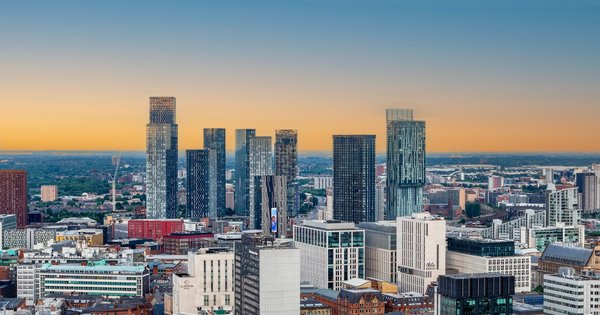
The mayoralty Craig now holds is not ceremonial. Greater Manchester’s mayor has authority over transport, policing, housing strategy and economic development across ten boroughs and roughly 2.9 million people, making it one of the most consequential jobs in English local government outside London.
What she said
Speaking after her win, Craig framed the job in practical terms rather than symbolic ones: “I set myself a simple task… That every single decision I take, as your Mayor of Greater Manchester, will pass the test of making your life better.” She also leaned into the region’s political identity, telling supporters that the city that “gave the world the Suffragettes” had changed the world before and would do it again — and closed with a pledge to “defend this city region with every bone in my body.”
Craig has been vocal throughout her career about wanting Greater Manchester to be demonstrably safe for LGBTQ+ residents, a position shaped in part by a string of suspected hate-motivated attacks across the region in recent years. That track record is likely to inform how she uses the office’s policing and community-safety levers, even though the mayoralty’s headline portfolio is economic.
Why it matters beyond Manchester
Out politicians holding major executive office in the UK are still uncommon enough that each one gets counted. Craig’s win lands at a moment when British trans and LGBTQ+ rights have been under real legal pressure — from last year’s UK Supreme Court ruling on the definition of “sex” under the Equality Act to the Equality and Human Rights Commission guidance that followed it, and the record 150,000-person Trans+ Pride march in London that answered it. Craig’s own politics are not centered on gender-recognition law, but her ascension to one of England’s most powerful regional offices is still a data point in the same broader story: legal setbacks for LGBTQ+ people in Britain have not translated into a retreat from public life or electoral success.
Craig now becomes one of the highest-profile openly LGBTQ+ elected officials in the UK, running a government larger than several European countries, and doing it as the visible successor to a prime minister — a career arc that would have been unusual for an out politician a decade ago and is, this week, simply the news.
Sources: GCN; LabourList; ITV News Granada.