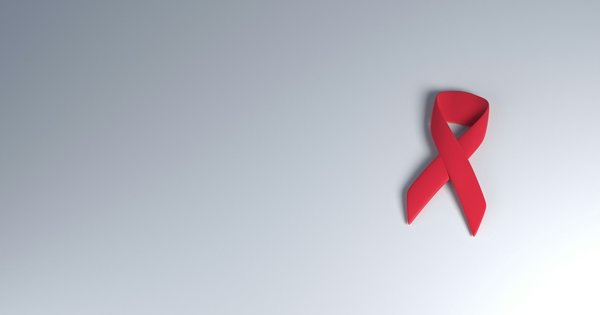
On Tuesday, 1 December, it’s World AIDS Day. In Albania, the run-up has brought a sobering set of numbers and one gap that keeps coming up: there’s still no PrEP.
Albania’s Institute of Public Health (ISHP) says 113 people were newly diagnosed with HIV between January and October 2026: 84 men and 29 women, according to its World AIDS Day page. Over the same ten months, 47 people were diagnosed at the AIDS stage and 13 people died, citing ISHP figures, Gazeta Telegraf reports.
Here’s what that means, what’s missing, and where to get tested.
The numbers, in context
- 113 new diagnoses from January to October 2026 (ISHP).
- 2,102 diagnoses in total since Albania’s first case in 1993: 1,540 men and 562 women (ISHP).
- 1,073 people on antiretroviral treatment today, including 14 children (ISHP).
- People aged 30 to 39 and over 50 are the most affected this year, and Tirana has the most cases, followed by Durrës (Telegraf).
For comparison, ISHP data showed 125 new cases in the first ten months of 2025, the highest level since 2016, Ma Shqip reported in April. In 2024 it was 119 over the same period, according to Euronews Albania via EATG. So 2026 isn’t a sudden spike. Year after year, new diagnoses are staying high.
Not everyone trusts that the official count is the whole picture. The Albanian Nurses Association, which shared the figures ahead of World AIDS Day, criticised a lack of transparency about the real scale of infections, Oculus News reports.
Late diagnosis is the real story
The number that should worry everyone is how late people find out. Among new cases in 2025, 34% were diagnosed at the AIDS stage, ISHP data showed, often because people only went to hospital once they had severe symptoms (Ma Shqip). Of roughly 60,000 HIV tests done by the end of October 2025, 59.3% were medical referrals, not people choosing to get tested.
ISHP has also flagged men who have sex with men as a high-risk group whose cases may be underreported because of stigma, according to the same report. UNAIDS says new infections in Albania are rising, “especially among men who have sex with men” (UNAIDS, March 2026).
Olimbi Hoxhaj, who founded Albania’s network of people living with HIV, told UNAIDS: “People continue to contact our association in secret and ask where they can get an HIV test without being recognized.”
The PrEP gap
PrEP is a daily pill that HIV-negative people can take to prevent HIV. It’s one of the most effective prevention tools there is, and the Institute of Public Health describes it on its own World AIDS Day page.
But you can’t get it through a programme in Albania. According to UNAIDS, Albania is the only country in the Balkans with no access to PrEP for key populations.
Part of the backstory is money. When Albania’s Global Fund agreement ended in December 2024, the services it supported stopped, and responsibility for funding HIV prevention passed to the Ministry of Health, EATG reported. At the time, Hoxhaj described a “complete shortage” of condoms and testing supplies, and said people looking for PrEP couldn’t find it.
Next door, things look different. As we covered in our guide to PrEP across Europe, Croatia covers PrEP through supplementary insurance. North Macedonia turned a 2021 pilot into a national programme.
Where to get tested (free, confidential)
Testing in Albania is free and confidential at (Ma Shqip, citing ISHP):
- the Institute of Public Health in Tirana
- the QSUT (Mother Teresa University Hospital Centre) outpatient clinic
- public health units in all 12 prefectures
- regional hospitals
- certified private laboratories
A few things worth knowing, all from the ISHP’s own guidance:
- Rapid tests can give a result the same day.
- There’s a window period after exposure when a test may not pick up HIV yet, so ask when to test and when to retest.
- PEP (post-exposure prophylaxis) is medication started within 72 hours of a possible exposure and taken for 28 days.
- U=U: people on treatment with an undetectable viral load don’t transmit HIV to sexual partners.
The good news is real, too
HIV treatment didn’t exist in Albania when Hoxhaj’s husband died in 2003. Today, more than a thousand people get it there, and they can live long, healthy lives. In March, a documentary about her, Olimbi – Mother Courage, won an impact award at the Geneva Film Festival and Forum on Human Rights, which UNAIDS says brought fresh attention to a region a WHO consultant called “a forgotten part of Europe” in the HIV response.
This year’s World AIDS Day theme in Albania is “Fundi i AIDS-it fillon me aksesin ndaj tij”, roughly the end of AIDS starts with access. And the Institute’s message ends with a line worth repeating: HIV is not a reason for shame, blame or discrimination.
Getting tested is ordinary healthcare. If it’s been a while, this week is a good week to go.