Germany is one of those countries that looks, on paper, like a settled success story for LGBTQ+ rights — and mostly it is. Same-sex marriage has been legal since 2017, discrimination protections are robust, and Berlin has spent decades as one of the queerest cities on the planet. But 2026 is a more complicated year than the headline suggests, because Germany’s genuine legal progress is running alongside the rise of a hard-right party that treats “gender ideology” as a signature enemy. Both things are true at once, and understanding the country this summer means holding them together.
The legal baseline is strong
Start with what’s solid. Marriage equality arrived in 2017 through a Bundestag vote, bringing full adoption rights with it. The country’s General Equal Treatment Act bars discrimination based on sexual orientation across employment and services. Conversion “therapy” for minors has been banned since 2020. These are not fragile, recently-won protections; they’re woven into the legal fabric, and there is no serious mainstream movement to unpick them.
The most consequential recent change is the Self-Determination Act (Selbstbestimmungsgesetz), which replaced the old, widely-condemned “Transsexuellengesetz.” Under the previous regime, a trans person had to obtain two psychological expert opinions and a court decision just to change their legal name and gender marker — an expensive, invasive, sometimes humiliating process. The new law lets adults change their name and gender entry through a simple declaration at the registry office. It’s the kind of self-determination model that trans advocates across Europe have long pushed for, and it puts Germany firmly in the progressive camp alongside countries like Spain and Belgium.
That doesn’t mean the law is uncontested. It included a waiting period and specific provisions, and it has drawn steady criticism from the right, who frame simplified gender recognition as reckless. But it’s in force, it’s being used, and for hundreds of thousands of trans people it has removed a wall that used to define their relationship with the state.
The pressure: a far-right party at the top of the polls
Here’s the part that keeps German activists up at night. The Alternative für Deutschland (AfD) has spent the last several years building electoral strength, and campaigns against “gender ideology” are a core part of its message. The party has pushed to roll back the Self-Determination Act, opposed LGBTQ+ inclusive education, and its figures routinely attack Pride events and trans healthcare in language that would have been fringe a decade ago.
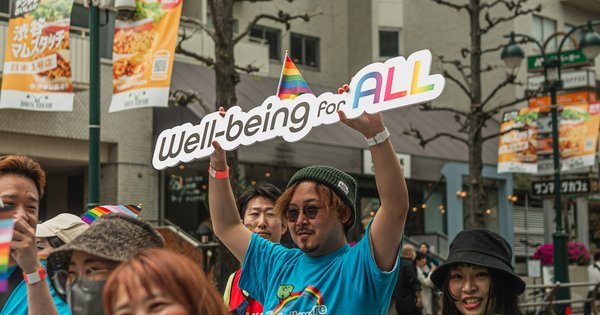
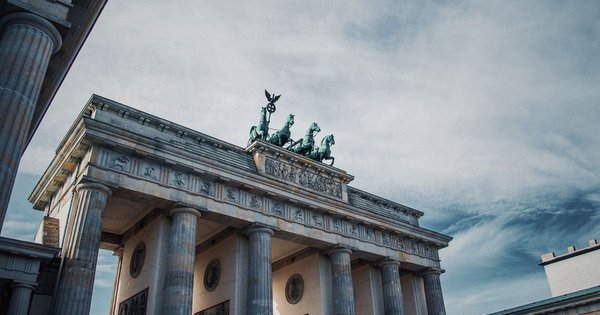
The danger isn’t only what the AfD might do if it ever reached national power — it’s the way its rise pulls the whole debate rightward and emboldens hostility on the ground. Germany has seen a documented rise in anti-LGBTQ+ hate crimes in recent years, and this year’s Pride season has come with its own shadow: organized far-right groups have staged counter-marches and intimidation actions around Christopher Street Day (CSD) events in a number of towns, especially in the east. The Bundestag flying the rainbow flag for CSD season, and mainstream parties showing up to Pride, read differently when a party polling near the top is explicitly running against everything those gestures represent.
Pride season as a stress test
Which is why summer 2026 functions as a kind of national temperature check. Berlin’s CSD — one of the largest Pride events in Europe — anchors a calendar of hundreds of marches across the country, from major cities to small towns that have never had a visible queer presence before. Those small-town marches are, in some ways, the more important story: they’re where the cultural conflict is most raw, where a few hundred marchers can face organized opposition, and where the presence of the crowd is itself the point.
The mood in Germany this year is best described as confident but watchful. The legal foundation is strong and the institutions are largely on side. Cities remain welcoming, the trans self-determination law is a real and meaningful advance, and the country continues to be, for most LGBTQ+ people, one of the safer and freer places to live in the world. But the political ground is shifting under all of it, and the community knows it. The question hanging over Germany in 2026 isn’t whether rights exist — they do, and firmly — but whether the political consensus that produced them can hold as the far right keeps climbing.
For visitors and would-be residents, the practical takeaway is straightforward: Germany is legally protective and, in its cities, genuinely welcoming, with Berlin, Cologne, Hamburg, and Munich all offering thriving queer life. The nuance is regional and political rather than legal — the same country that simplified gender recognition this decade is also home to the continent’s most-watched far-right surge. Both belong in any honest picture of where Germany stands.
Sources: ILGA-Europe Rainbow Map, Wikipedia: LGBTQ rights in Germany, GAY45 Europe guide.