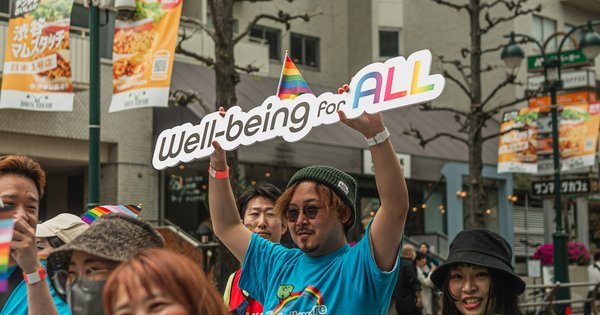
Ivan Novotný and Metod Špaček got married in Austria in 2020. Late last year, the two Slovak citizens applied to have that marriage registered back home. This month, they got their answer: rejected, in a letter from Slovakia’s Special Registry Office. Their case is now the clearest test yet of whether Slovakia will comply with an EU court ruling that says it has no choice.
The ruling Slovakia is ignoring
On November 22, 2025, the Court of Justice of the European Union ruled in Cupriak-Trojan and Trojan v Wojewoda Mazowiecki — a case that started in Poland — that every EU member state must recognize same-sex marriages that were legally performed anywhere else in the bloc. The court’s reasoning wasn’t about forcing any country to legalize same-sex marriage domestically; it was narrower than that. It said recognition is required whenever it’s necessary for people to exercise their EU rights, particularly freedom of movement and family life, and that recognizing a marriage performed elsewhere doesn’t threaten a country’s “national identity” in the way some governments have argued.
Because CJEU rulings interpret EU law itself, the decision applies automatically across all 27 member states — it isn’t limited to Poland, where the case originated.
Slovakia has made clear it isn’t going along with it. Prime Minister Robert Fico said in June that Slovak authorities would not transcribe foreign same-sex marriage certificates into the national registry, arguing the country’s constitution defines marriage exclusively as a union between a man and a woman and that the legal concept of same-sex marriage “does not exist” in Slovak law. That position was reinforced in September 2025, when Slovakia’s Parliament passed a constitutional amendment explicitly locking in the opposite-sex definition of marriage — timed just before the CJEU ruling came down. Fico has since asked Parliament to pass implementing legislation formalizing the refusal.
What happens to Novotný and Špaček now
Their rejection letter sets up exactly the kind of conflict EU law is supposed to resolve in the couple’s favor. Legal experts following the case say it’s likely headed for further litigation — either back through Slovak courts, which could ultimately refer questions to the CJEU again, or through a European Commission infringement proceeding against Slovakia for failing to comply with the court’s ruling. Both paths take time, and neither guarantees the couple’s marriage gets registered on any particular timeline.
It’s a familiar shape of fight: an EU institution rules, a member state’s government signals it will resist anyway, and the actual resolution ends up landing on individual couples willing to spend years in court proving the point. Romania went through a version of this after the 2018 Coman ruling on residency rights for same-sex spouses, and Poland — the country whose case produced the November ruling in the first place — is still working out how compliance looks in practice.
Why it matters beyond one couple
Slovakia isn’t an outlier looking for a fight so much as it’s the most direct test case of a wider resistance. Several EU member states in Central and Eastern Europe — none of which currently allow same-sex marriage domestically — have signaled they intend to slow-walk or refuse compliance with the CJEU ruling, betting that political cover from allied governments and the sheer time litigation takes will blunt its practical effect.
For now, Novotný and Špaček are married in Austria and, as far as their own government is concerned, strangers in Slovakia. Whether that changes will say a lot about how much weight an EU court ruling actually carries when a national government decides not to follow it.