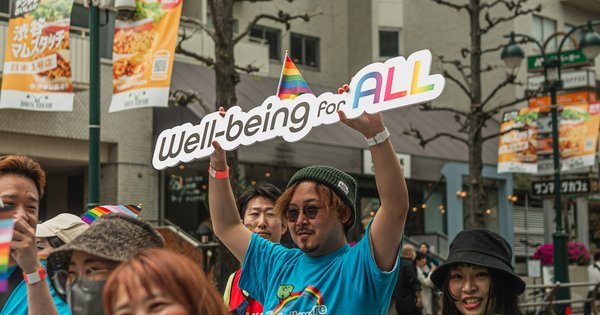
As Pride season closes across the Balkans, activists in Serbia have raised a demand that doesn’t fit neatly into the usual list of asks. Alongside the familiar calls for civil partnership and better hate-crime enforcement, campaigners want something that costs the state nothing in law and quite a lot in honesty: a formal apology to every citizen who, before 1994, was prosecuted or otherwise persecuted for their sexual orientation or gender identity.
It is a demand about the past. But in Serbia, the past is rarely finished.
The history most people don’t know
The timeline of decriminalization in Serbia is messier than a single date suggests, and the mess is the point. Male same-sex activity was criminalized across the various states and regimes that governed the territory from 1860 onward. It was first decriminalized in the Socialist Autonomous Province of Vojvodina in 1977 — a genuinely early move for the region. But when Vojvodina was folded back fully into Serbia’s legal system amid the breakup of Yugoslavia, same-sex activity was effectively recriminalized. It stayed a crime until 1994, when Serbia decriminalized it across the whole republic.
That means there are people alive in Serbia today who were adults under a law that treated them as criminals — some prosecuted through the courts, others surveilled, threatened, outed, or pushed out of jobs and families by a state and a society that had a legal basis for doing so. The 1994 reform ended the law. It never acknowledged the harm the law had done.
Why an apology, and why now
The demand for a state apology sits in a longer European tradition. Germany has moved to annul convictions and compensate men prosecuted under its old anti-gay statute. The United Kingdom issued posthumous and then living pardons under what became known as “Turing’s Law.” Spain and others have grappled, unevenly, with the ledger of what dictatorships and older legal codes did to queer citizens. The through-line is a simple idea: decriminalization removes the crime going forward, but it doesn’t, on its own, tell the people who were punished that the state was wrong.
For Serbian activists, raising this now is partly strategic and partly a matter of principle. Serbia’s LGBTQ+ movement is in an unusual position — a country that had an openly lesbian prime minister for seven years, a Belgrade Pride that has marched without a ban for over a decade, and still no legal recognition of same-sex couples in any form. Progress and stagnation coexist. An apology for pre-1994 persecution is a way of asking the state to be consistent: if you now say these people should never have been treated as criminals, say it out loud, to them.
There is a generational dimension too. The people most directly affected are aging, and some have already died without any acknowledgment. Historical-justice demands have a clock on them. Every year the state stays silent is a year fewer of the people it wronged are alive to hear it.
The honest complications
We try to be straight about the Balkans rather than romantic, so a few caveats. This is, at the moment, a demand and a conversation, not a bill before parliament. Serbia’s government has shown little appetite for symbolic gestures on LGBTQ+ rights, let alone concrete ones — the long-promised civil-partnership law has repeatedly stalled, and a formal apology is a harder political lift because it requires the state to name its own wrongdoing. Serbia is also in the middle of a broader period of political turbulence, with student protests and pressure on institutions absorbing most of the country’s political oxygen.
It would also be a mistake to treat an apology as a substitute for rights in the present. Acknowledging the past is meaningful; it is not the same as passing a partnership law or protecting trans people from workplace discrimination, both of which remain live, unfinished fights. The best version of this demand is one that runs alongside those, not instead of them.
What it says about the region
What we find compelling about this campaign is that it treats Serbia’s LGBTQ+ community as having a history worth defending, not just a future worth arguing for. Too often the story of queer life in the Balkans is told entirely in the present tense — this year’s Pride, this year’s ban, this year’s law. But there were people here long before the cameras and the EU accession chapters, and many of them paid a price that has never been formally recognized.
Asking for an apology is, in a quiet way, an assertion: we were always here, and what was done to us mattered. Whether or not the Serbian state ever says the words, the act of demanding them puts a generation of erased lives back into the country’s record. That, at least, the activists can do without waiting for permission.
Sources: Balkan Insight, Wikipedia: LGBT history in Serbia, Wikipedia: LGBTQ rights in Serbia.