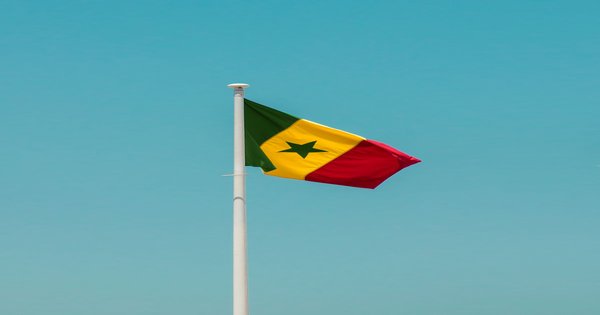
On Monday, June 29, the National Assembly of Senegal voted to amend the country’s constitution to define marriage as “the union between a man and a woman.” The tally was 129 in favour and none against — a rare unanimous vote in a chamber that agrees on very little else. There was no organised opposition, because on this question there was no political space for one.
It is tempting to read a constitutional ban on same-sex marriage as a symbolic gesture in a country where such marriages were never going to be registered anyway. Same-sex intimacy has been criminalised in Senegal since 1965, and no Senegalese couple was walking into a town hall expecting a certificate. But the symbolism is the point, and the timing tells you what this vote is really for.
A year of escalation
The constitutional amendment did not arrive out of nowhere. It is the capstone of a months-long campaign against LGBTQ+ Senegalese that has moved with unusual speed.
In March, lawmakers amended Article 319 of the penal code to double the maximum sentence for same-sex intimacy — from five years to ten — and, critically, criminalised advocacy itself. Promoting, defending, or “normalising” same-sex relationships was folded into the offence, which means the law now reaches not just private conduct but the work of anyone who would speak up on behalf of the people it targets. Human-rights monitors recorded a wave of arrests through the spring, with figures running into the hundreds.
Against that backdrop, the constitutional change functions as a lock on a door that was already bolted. By moving the definition of marriage from ordinary statute into the constitution, the ruling PASTEF party puts it beyond the reach of a future parliament that might want to soften it, and beyond most legal challenge. A political observer quoted in regional coverage framed it plainly: the governing party is emphasising the amendment “in order to reassure the Senegalese people that it will pursue an anti-LGBT agenda,” following the tightening of the criminal code in the spring.
Why constitutional entrenchment matters
There is a meaningful difference between a hostile law and a hostile constitution, and it is worth being precise about it. A statute can be repealed by the same simple majority that passed it. A court can strike it down if it conflicts with higher law. Constitutional text sits above both of those checks. Once a discriminatory definition is written into the founding document, the ordinary tools of reform — a change of government, a sympathetic judge, an evolving public — have far less to work with.
This is the same mechanism we have watched deployed elsewhere when governments want to make a rollback durable rather than merely current. It is not about what is legal today; it is about foreclosing what might become legal tomorrow. Senegal now joins a set of African states that have moved anti-LGBTQ+ commitments into constitutional or quasi-constitutional form, hardening exclusion into national architecture.
The human cost underneath the vote
Numbers like “129 to zero” and “ten years” can flatten what is happening to actual people. In Senegal right now, being known or suspected to be gay carries the risk of arrest, imprisonment, and — because advocacy is now criminal — the loss of the very organisations that might have offered legal aid or shelter. The March advocacy ban is the cruellest part of the architecture, because it targets solidarity itself. It is designed to make sure that people facing prosecution face it alone.
For LGBTQ+ Senegalese, the practical calculus narrows with each of these steps: stay and stay hidden, or leave. For those who cannot leave — and most cannot — the constitution now formally declares that the country does not recognise the shape of their lives.
What outside observers can and can’t do
It is fair to ask what any of this coverage accomplishes. Senegal is a sovereign state, and external condemnation has, at times, been absorbed into the domestic narrative as foreign interference — a framing that governments across the region have used to recast a crackdown on their own citizens as a defence against outside pressure. That dynamic is real, and it means clumsy intervention can backfire.
What still matters is the record. Documenting who voted for what, and when, and against whom, is not nothing. The people most endangered by this vote are also the people most erased by it, and part of erasure is the assumption that no one was counting. Someone should be. The asylum systems of Europe and North America will, in the coming months, be asked to weigh claims from Senegalese who can now point to a constitution that names them as outside the national family. Accurate, unsentimental reporting is what those claims will be built on.
We cover a lot of hard-won progress on this site — Pride marches held under pressure, courts recognising families, bans that get struck down. This is the other kind of story, and it deserves to be told with the same care. Senegal has just made its exclusion of LGBTQ+ people harder to undo. The least the rest of us can do is refuse to look away from the count.