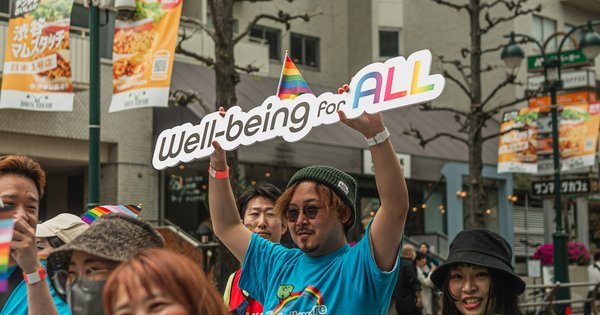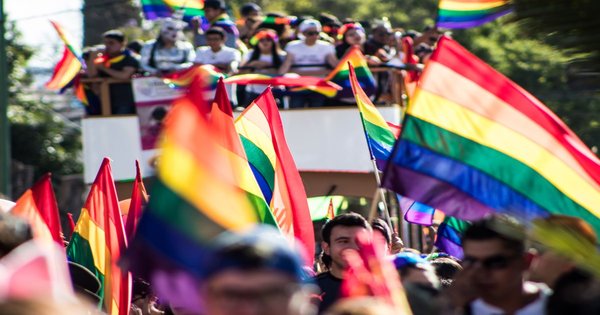
If you judged Latin America by its statute books, you might conclude it was one of the safest places on earth to be queer. If you judged it by its morgues, you’d conclude the opposite. Both readings are accurate, and holding them together is the only honest way to talk about the region in 2026.
The legal case for optimism
The advances are real and, in places, world-leading. Marriage equality is law across much of the region — Argentina got there back in 2010, and countries including Brazil, Mexico, Colombia, Chile, Ecuador, Costa Rica, Uruguay, and Cuba have followed through courts or legislatures. Several countries have moved beyond marriage into the harder terrain of daily protection.
Mexico has been a standout. Trans people there made substantial gains through 2025, with states including Nayarit, Mexico City, Baja California, Baja California Sur, and Campeche passing “transfemicide” laws that treat the killing of a trans woman as a distinct, aggravated crime — an attempt to make the violence legible to a justice system that has historically ignored it. LGBTQ+ people are also constitutionally protected from discrimination based on sexual orientation.
Elsewhere the trend line points the same way. Chile bans conversion therapy by medical professionals and has ended discrimination against same-sex couples in adoption. Argentina, long a pioneer with its landmark 2012 gender identity law, has seen international workplace-equality programs expand into the country. And in Brazil, campaigners are pushing to codify marriage equality in statute rather than leaving it resting on a court decision — a move designed to harden the right against future political reversal.
The violence that coexists with it
And yet Latin America is, by many measures, the most dangerous region in the world to be LGBTQ+ — and especially to be a trans woman. The transfemicide laws in Mexico exist precisely because the killings are frequent enough to demand their own legal category. Year after year, regional monitoring groups record the highest counts of trans murders globally in Brazil and Mexico, the region’s two most populous countries.
The gap between law and life has a few sources. Legal protections often arrive through high courts rather than broad social consensus, which means a right can be real on paper while the culture around it lags or resists. Impunity is chronic: even where killing a queer or trans person is a serious crime, investigations stall and convictions are rare. And the backlash is organized. Gender-affirming care for minors has been restricted or banned in Brazil and proposed for restriction in Argentina, echoing the anti-trans legislative wave moving through the US and parts of Europe.
How to hold both truths
The temptation is to pick a side of the ledger — to call Latin America a queer-rights success story, or a horror. Neither caricature survives contact with the evidence. The region is genuinely a global leader in legal recognition and genuinely one of the most lethal places to live those rights out. The distance between the two is the actual story.
For queer travelers and, increasingly, for queer people moving to the region, that distance is worth internalizing. A marriage certificate valid in Buenos Aires or Mexico City is a real thing. So is the advice, from local organizers, to read the room outside the cosmopolitan centers. The legal wins are worth celebrating and defending; the violence is worth naming without flinching. In 2026, Latin America asks us to do both at once — which, in the end, is what honest solidarity across borders usually requires.